
Photography Gear I Use for Portraits, Travel, and Landscape Work
Portrait photography gear can be simple, but before buying anything, you need to understand what the gear is supposed to solve. A strong shooting setup should do a few things well. It needs to hold detail, shape the subject, survive travel, handle scenery, and protect your files while staying practical enough that the shoot does not turn into a technical circus.
Below is the photography gear I use, recommend, or would seriously consider adding to my own camera bag. Some of it includes older models, and some of it includes newer options, but here is the catch: the best gear is not about chasing the latest release. It is about choosing the tools that help you build a setup that lets you shoot cleaner, move faster, and create images with more intention.
Jump straight to the gear: Camera Bodies and Lenses · Lighting Gear · Tripods · Memory & Storage
Camera Bodies and Lenses
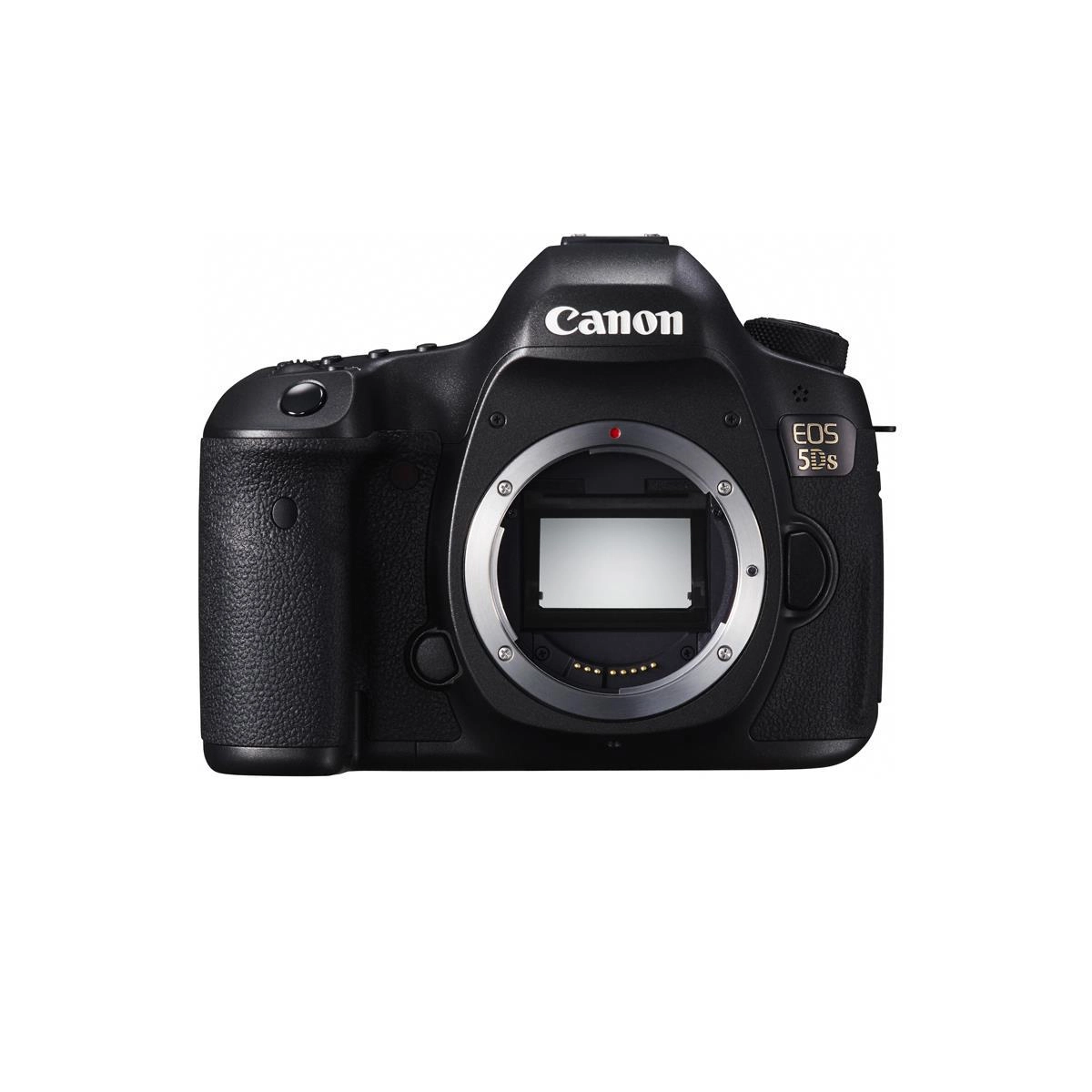
The Canon EOS 5DS is the camera body I use most. It is a high-resolution DSLR, not the newest camera on the market, but when it comes to controlling the frame and shooting with intention, it gives me serious files.
This is not a lazy camera. What I mean is simple: if your technique is sloppy, the Canon EOS 5DS will expose it. But if you shoot with discipline, this is the kind of camera body I like because it holds detail, gives files room to breathe, and works especially well for print photography. The resolution also gives you more flexibility to crop when needed.
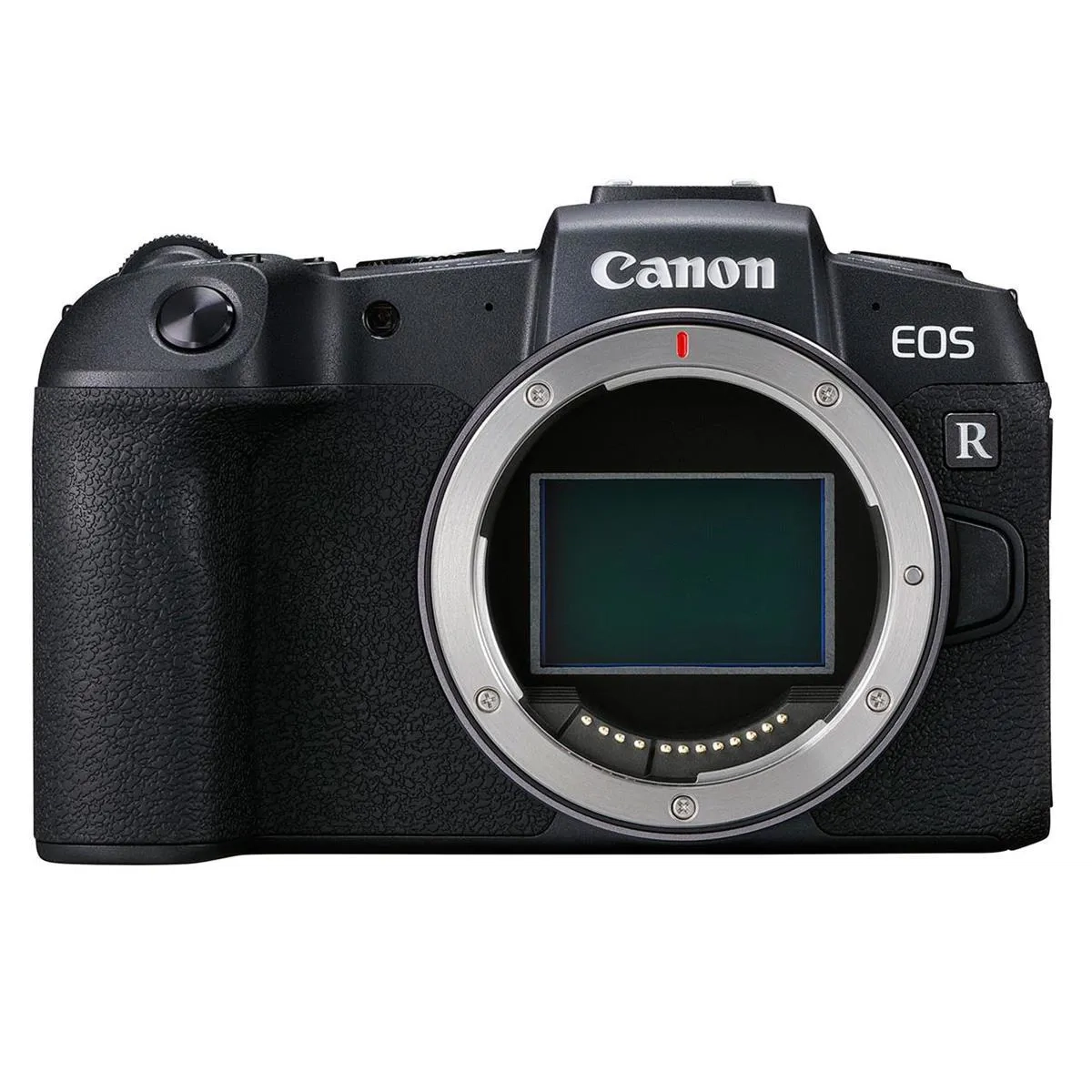
The Canon EOS RP is a budget full-frame mirrorless camera I use when I want something lighter for casual work, travel, or simpler shooting days.
It is a strong option for photographers who want to enter the Canon RF system without jumping straight into pro-body pricing. The Canon EOS RP is compact, travel-friendly, and easy to carry, which makes it useful when I do not want the weight of a heavier DSLR setup. The video features are usable for basic content, but the real reason I like this camera is the lightweight full-frame shooting experience at a more accessible price point.
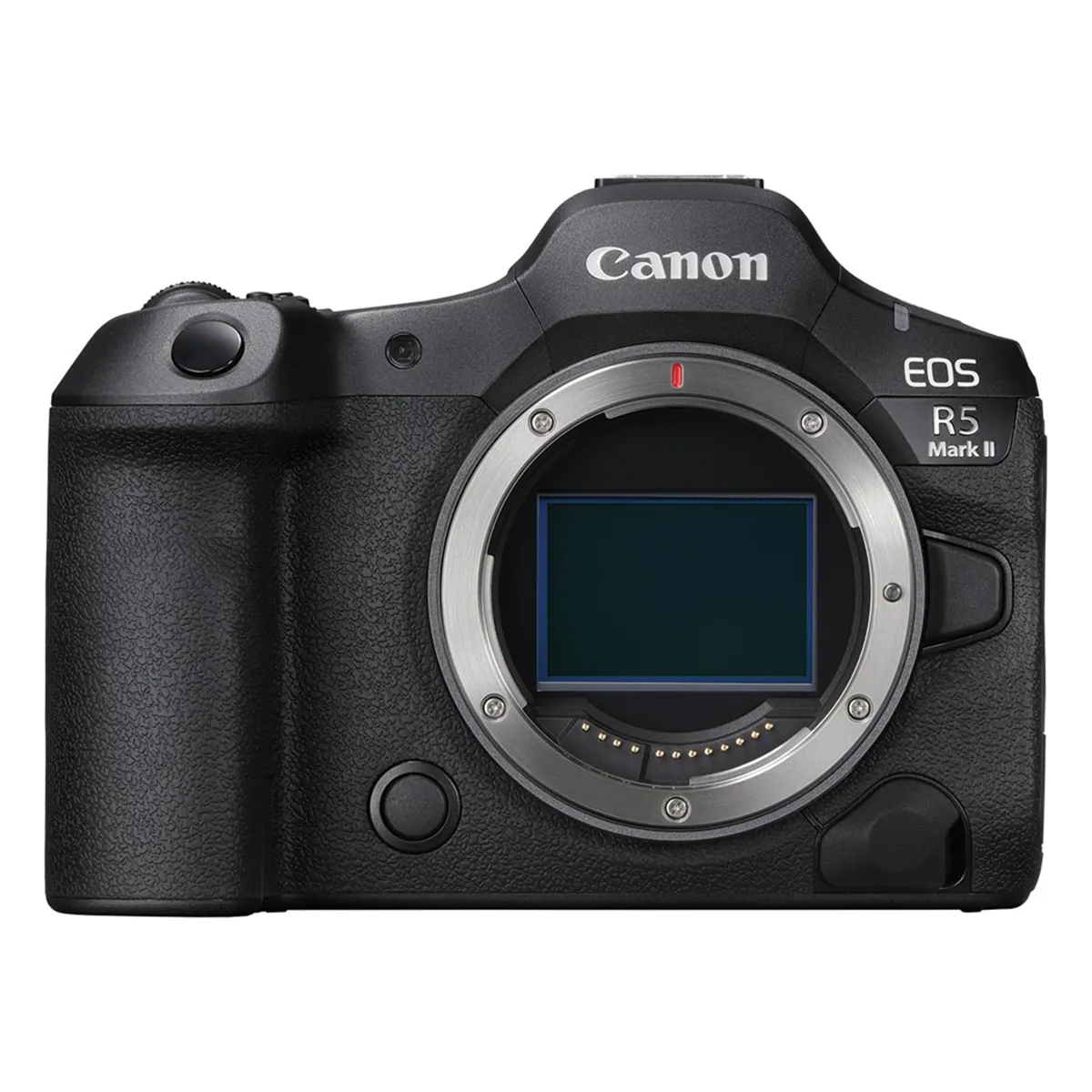
The Canon EOS R5 Mark II is the mirrorless camera I like when I want a newer, faster Canon body while still keeping the high-resolution feel I appreciate from the Canon EOS 5DS. It still gives me serious files, but with newer technology that feels more forgiving, more flexible, and better suited for modern shooting.
For portraits, travel, low light, movement, and general photography work, this is the cleaner upgrade lane. It gives you strong autofocus and better flexibility.
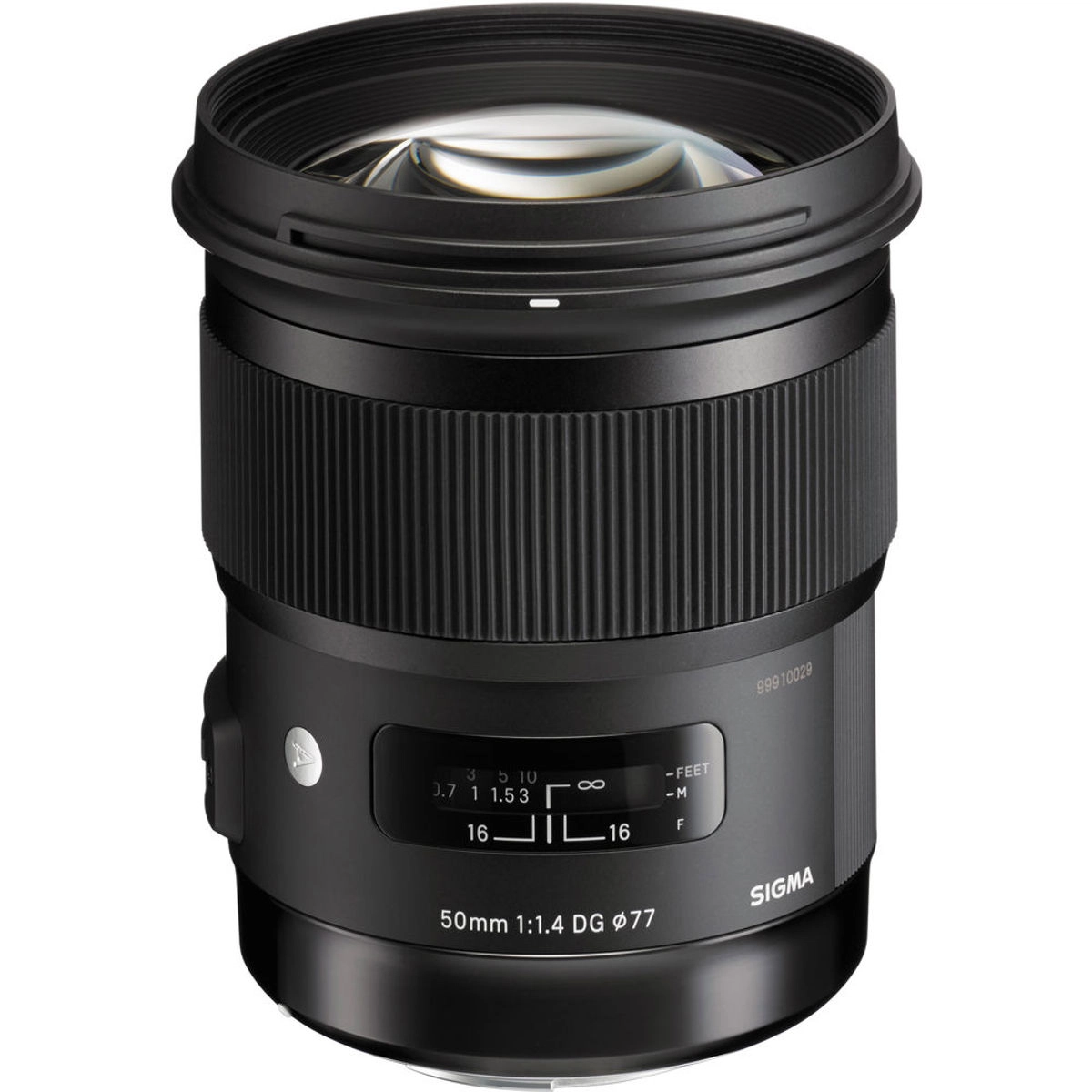
The Sigma 50mm Art f/1.4 lens is one of my favorite lenses for portrait work because it gives me a clean frame without completely removing the environment. That matches the way I like to shoot. I want the subject to lead the image, but I still want enough of the scene to give the frame context.
The 50mm is a prime lens, but it is still very flexible. It works well for portraits, travel, street-style frames, and indoor work. The Sigma 50mm Art f/1.4 is also a strong value when you consider the image quality, sharpness, and editorial feel it delivers.
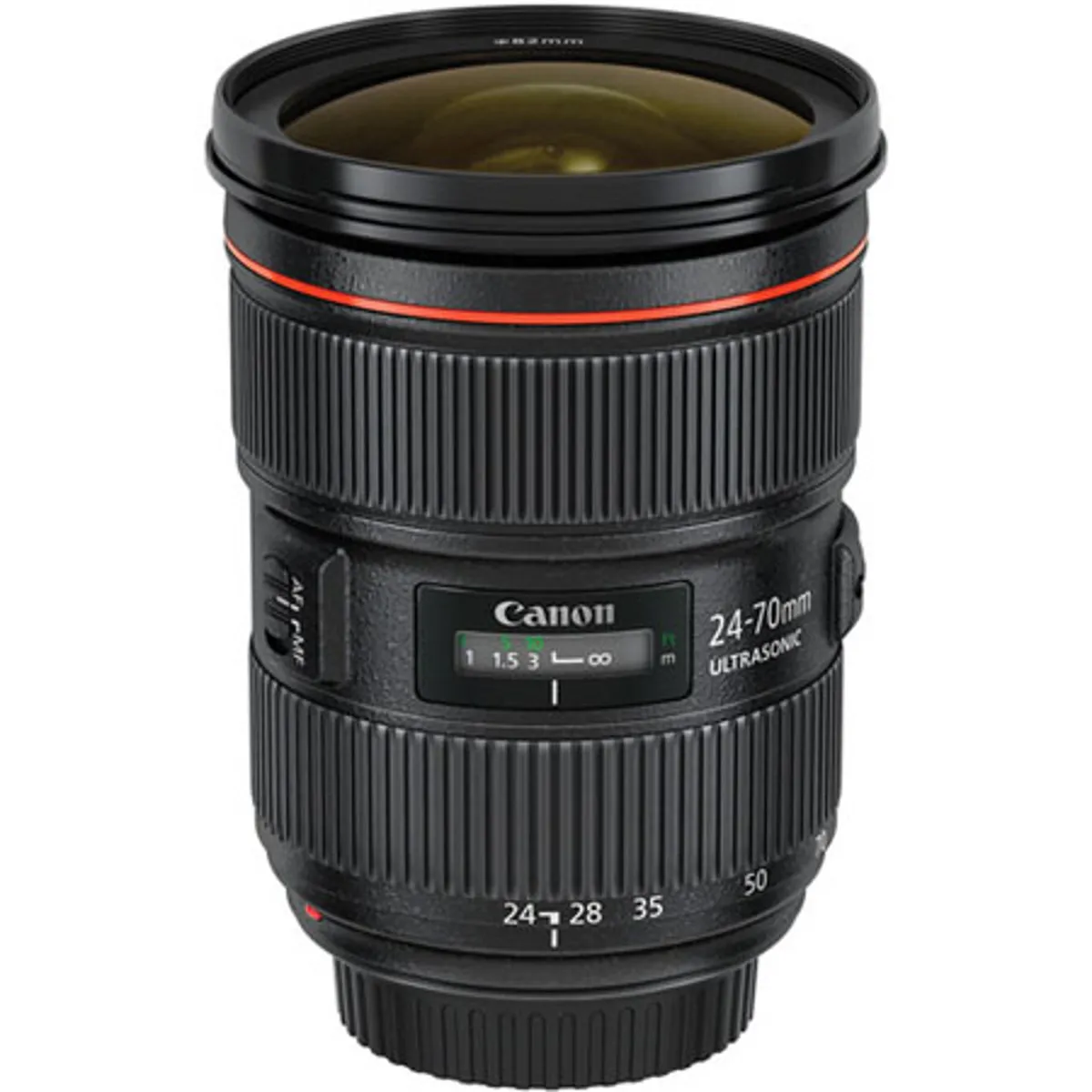
The Canon EF 24-70mm f/2.8L II USM is probably the lens I use the most because it is practical across so many shooting situations. It gives me strong image quality, useful range, speed, and flexibility without forcing me to change lenses every five minutes.
The 24-70mm range gives you enough width to show the scene and enough reach to tighten the frame when the subject needs more attention.
If you are using a Canon mirrorless body, you can still use this EF lens with the Canon Mount Adapter EF-EOS R. If you want the native mirrorless option instead, look at the Canon RF 24-70mm F2.8 L IS USM.
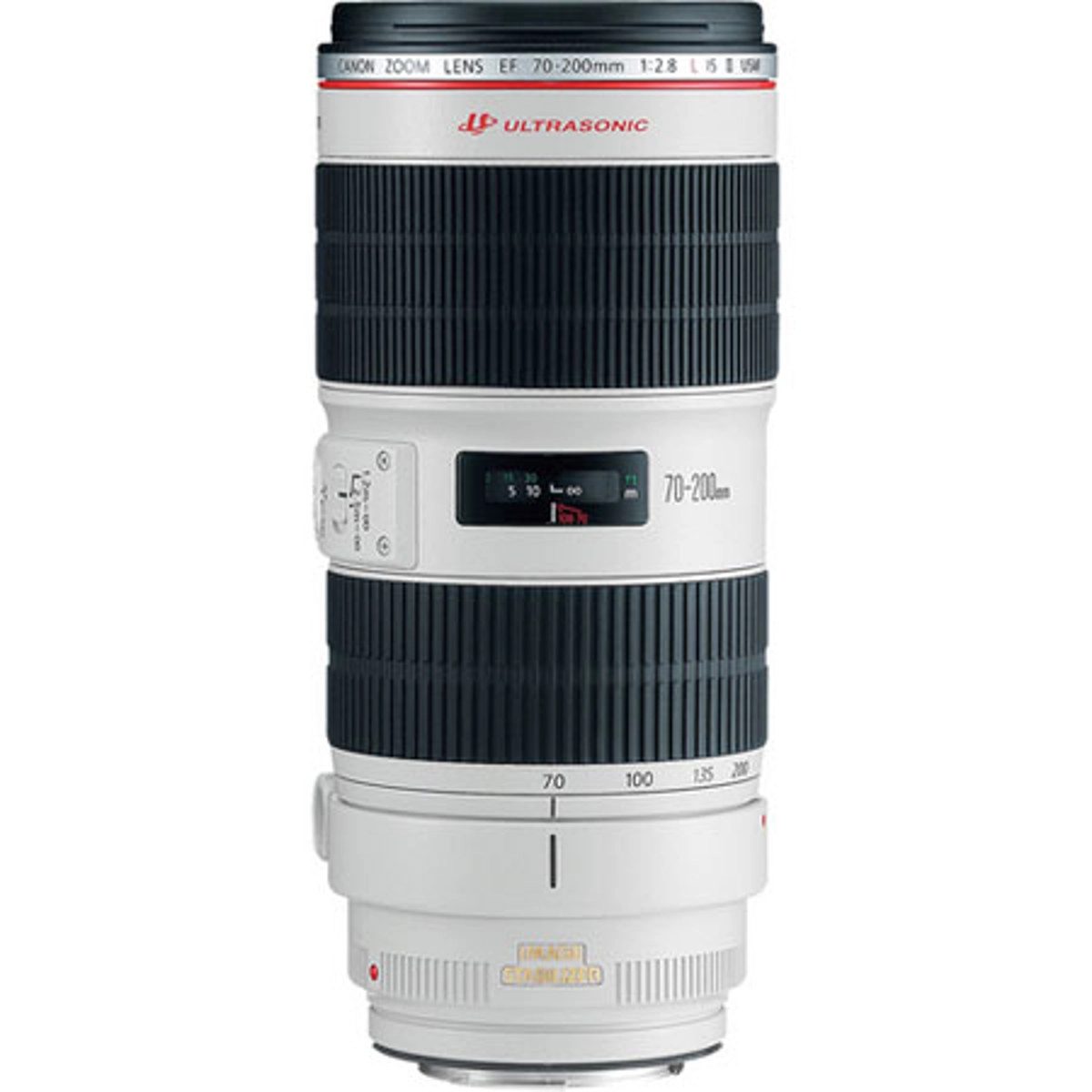
The Canon EF 70-200mm f/2.8L IS II USM is the lens I use when I want a telephoto zoom option with strong compression and serious subject separation.
The focal range is also very flexible. It works well for tighter portraits, landscape details, and moments where distance becomes part of the frame.
If you want a lighter alternative, I would look at a prime lens instead. For DSLR shooters, the Canon EF 85mm f/1.2 II USM is a strong option for tighter portraits and classic background blur. If you are shooting Canon mirrorless and want to stay with RF lenses, the Canon RF 85mm f/1.2 is the premium portrait option. If you want the native mirrorless version of the 70-200mm zoom, look at the Canon RF 70-200mm F2.8 L IS USM.
Creative Lens Filters
A sharp lens is only the beginning. Creative optical filters can change how highlights, flare, and softness are recorded before the image reaches Lightroom or Photoshop. Prism Lens FX offers diffusion, flare, and creative-effects filters for photographers who want to introduce more character during the shoot. The filter shapes the capture, while Lightroom, retouching tools, and film-emulation software still determine how the final image lands.
Explore Prism Lens FX to add more character in-camera, then use code CLICKWITHSAL for 15% off.
Lighting Gear
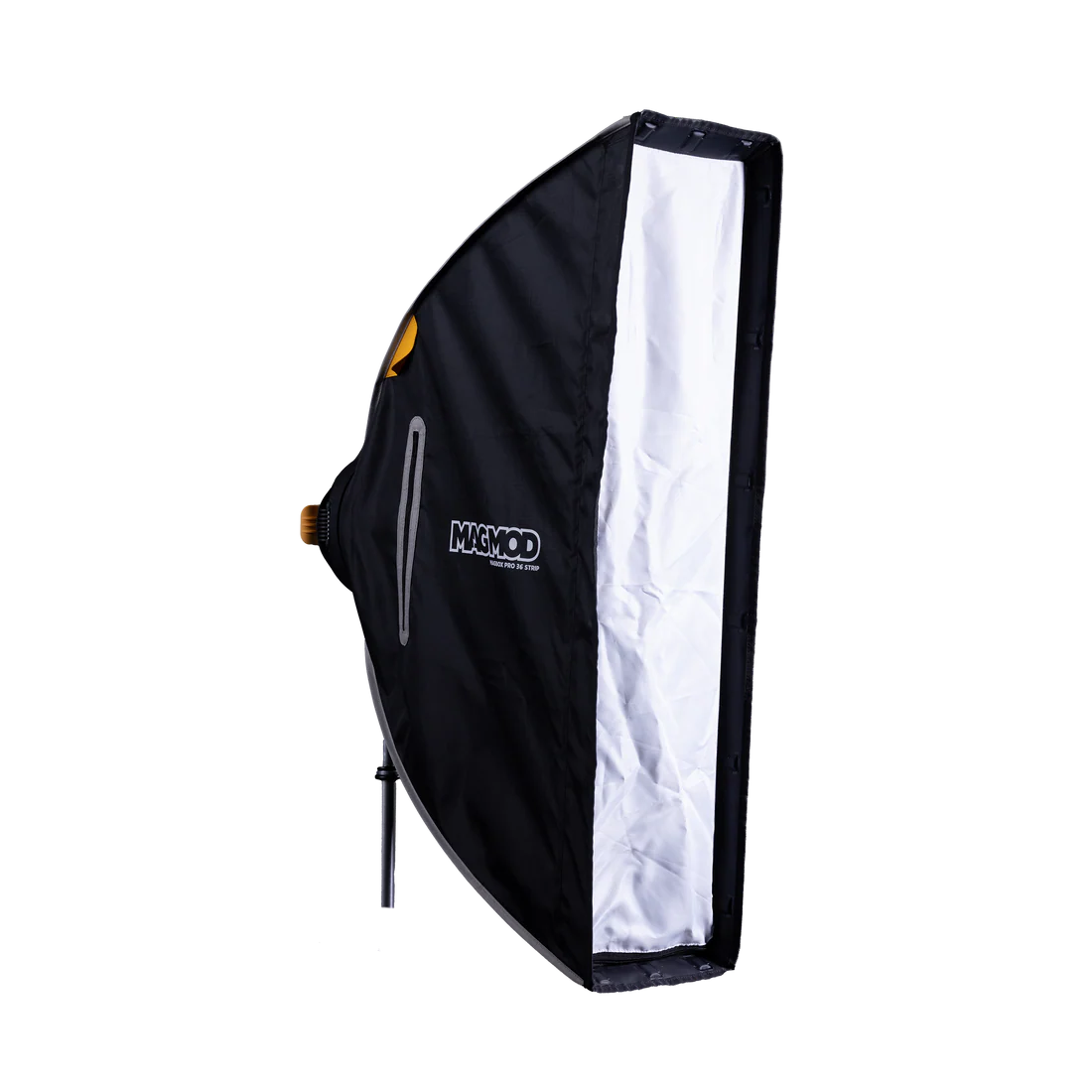
The MagBox Pro 36 Strip is one of the modifiers I use in studio when I want more control over the shape of the light. A strip box gives portraits a cleaner, more directional look than a wider softbox, especially when I want to sculpt the face, separate the subject from the background, or create a more dramatic edge of light.
It is useful for beauty-style portraits, darker editorial setups, and controlled studio work where I do not want light spilling everywhere. With the grid option, it becomes even more precise because the light stays tighter and more intentional. That matters when I want the portrait to feel shaped, not just lit.
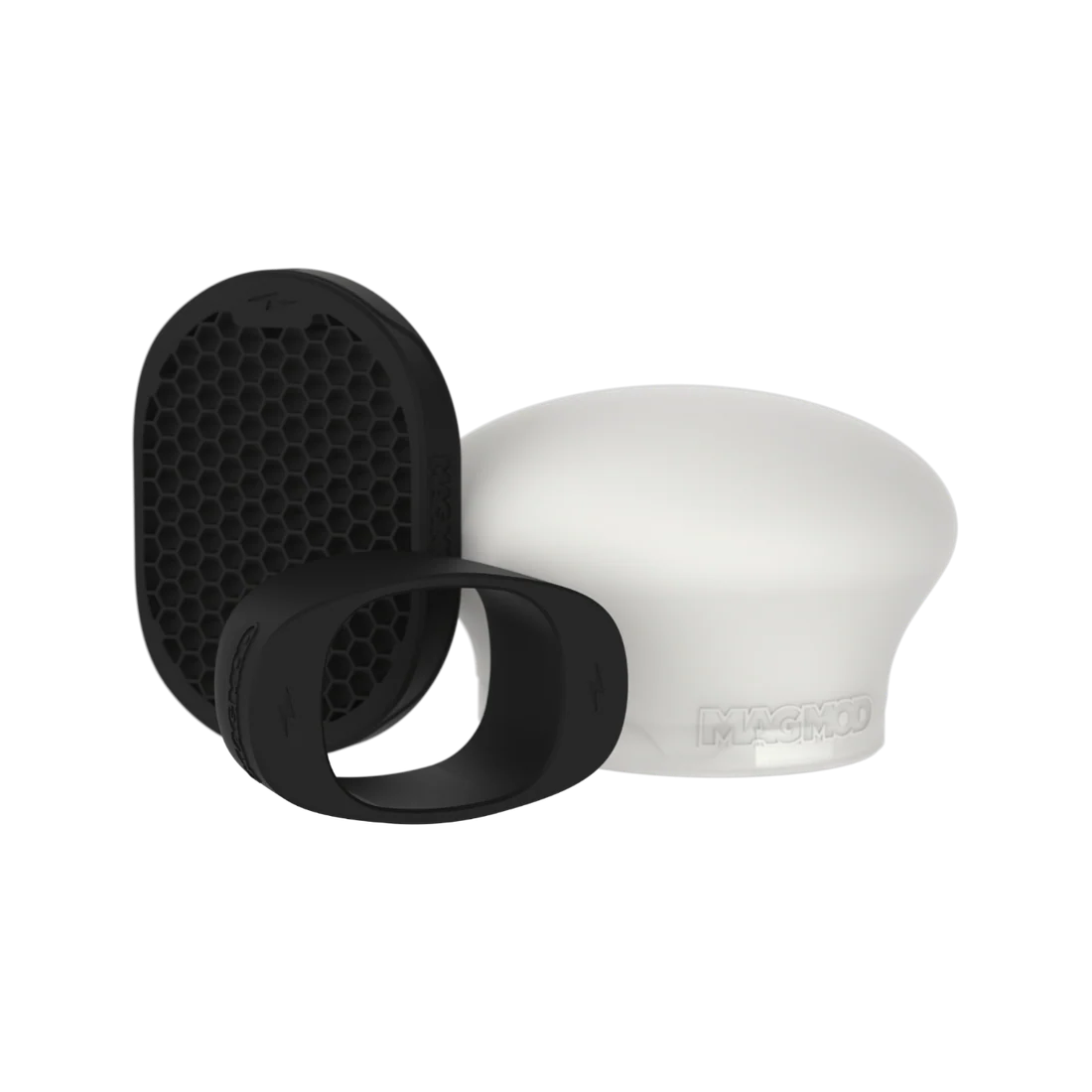
The MagMod Starter Kit 2 is one of the most useful small-light modifier kits because it makes flash more creative without making the setup complicated.
The MagSphere helps soften and spread the light, while the MagGrid lets me control where the flash goes instead of blasting the entire scene. That is especially useful outside, where backgrounds, walls, sun, shade, and mixed light can get messy fast. For portraits on location or quick outdoor setups, this kind of kit gives you more control without dragging a full studio with you. It helps flash feel intentional instead of obvious.
If you are picking up MagMod gear, use code MAGCWS for 5% off.
Tripods
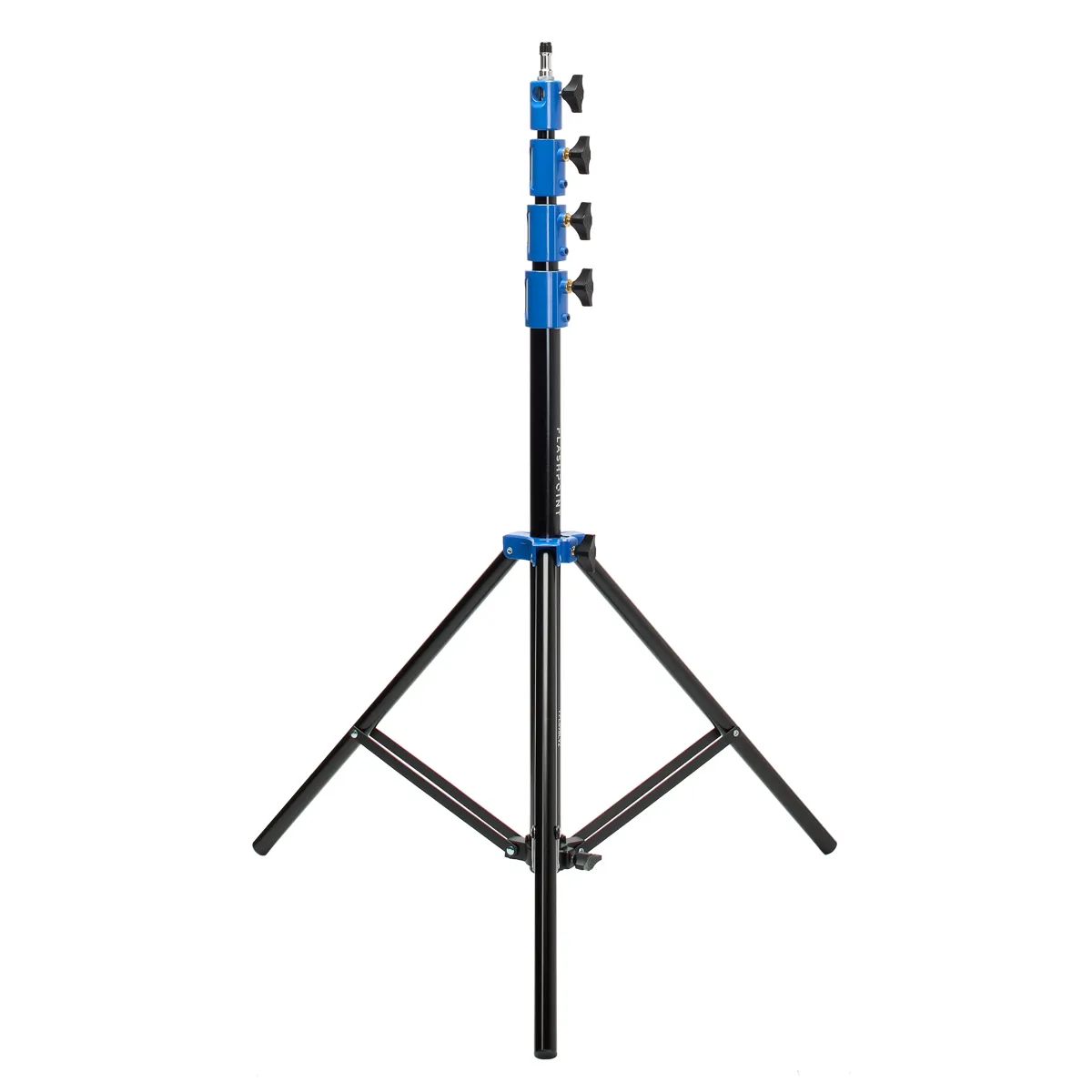
A good light stand matters when you are working with flash, strobes, and modifiers. For studio portraits, I prefer a heavy-duty air-cushioned stand because it gives the light more stability and makes height adjustments safer.
This becomes especially important with modifiers like the MagBox Pro 36 Strip, where the light is no longer just a bare flash sitting on a small stand. The stand has to support the weight, hold its position, and let me shape the light without worrying that the setup feels fragile.
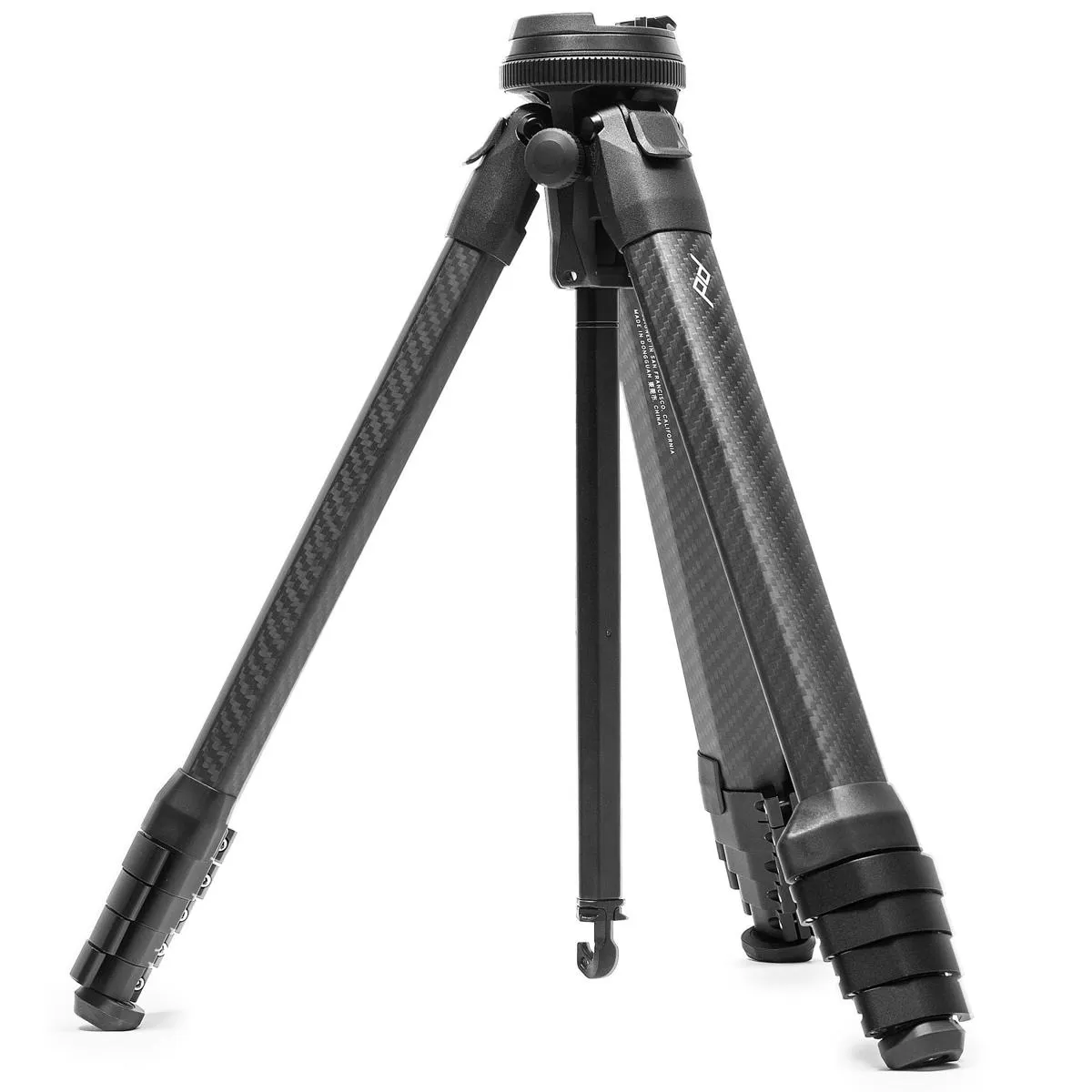
The Peak Design Carbon Fiber Travel Tripod is the travel tripod I use when folded size matters. It packs down small enough for a carry-on bag, but still gives me enough stability for travel portraits, landscapes, city scenes, long exposures, and slower compositions.
I do not treat it as a replacement for a real light stand, especially when working with a strobe or larger modifier. But I do use it as compact support for both my camera and a flash when the setup has to travel light.
Memory & Storage
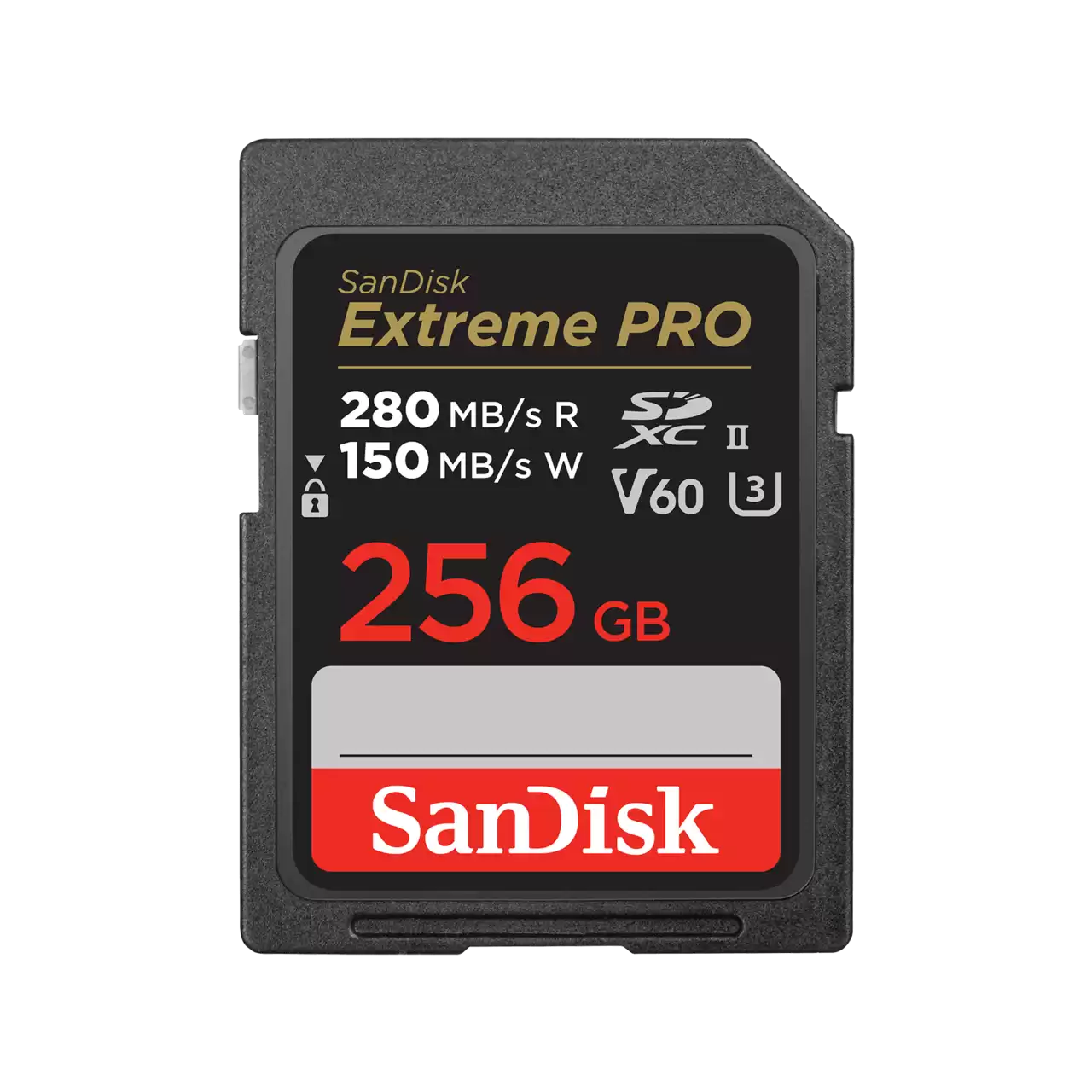
A fast, dependable card for high-resolution stills. I use SanDisk Extreme PRO cards with my Canon cameras for portrait and editorial shoots.
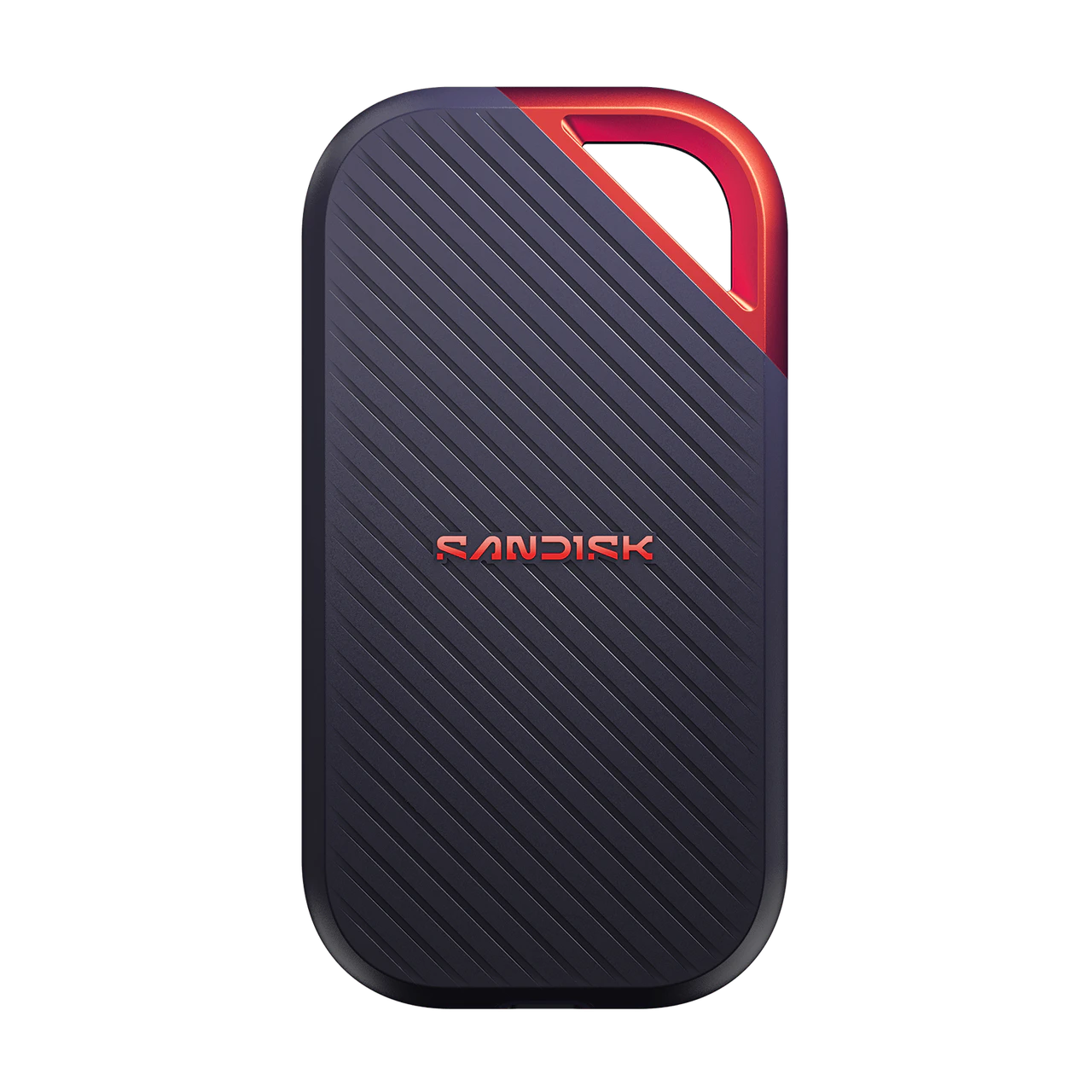
The current Extreme PRO Portable SSD line goes dramatically beyond what you need simply for photo backup, but that makes it useful as the workflow grows into larger shoots, video and travel.
Portrait Photography Gear FAQs
For portrait photography, you need a camera body, one strong portrait lens, reliable memory cards, extra batteries, and a way to control light. A 50mm lens is a flexible starting point, while an 85mm or 70-200mm lens gives stronger subject separation.
Yes, a 50mm lens is very useful for portrait photography because it gives a natural field of view without completely removing the environment. It works especially well for environmental portraits, half-body portraits, travel portraits, and editorial-style images.
Yes, a 24-70mm f/2.8 lens is one of the most practical lenses for portraits, travel, landscapes, and general photography. It gives enough width to show the scene and enough reach to tighten the frame without changing lenses constantly.
You do not always need lighting gear for portraits, but it gives you more control. Natural light can work, but modifiers, flash, and light stands help shape the subject, control shadows, and create a more intentional portrait.
Affiliate Disclosure: Some links or promo codes on this page may earn us a commission if you buy through them, at no extra cost to you. That does not change our opinion. We recommend tools based on whether they actually fit the workflow.
