
Let’s assume your photograph is intentional, layered, and ready to be published. What’s left is the final move that shapes how it lands. Naming a photo, in fact, defines how the image is experienced. A strong title does not explain the frame or spell everything out. It reinforces mood, adds tension, or sharpens meaning. Keep reading to find actionable tips on how to title a photograph in a way that stays simple and memorable.
Bonus for readers: If your photo doesn’t have a clear mood, no title will save it. Explore the best editing tools to shape the emotional direction first.
The Real Purpose of Naming a Photo
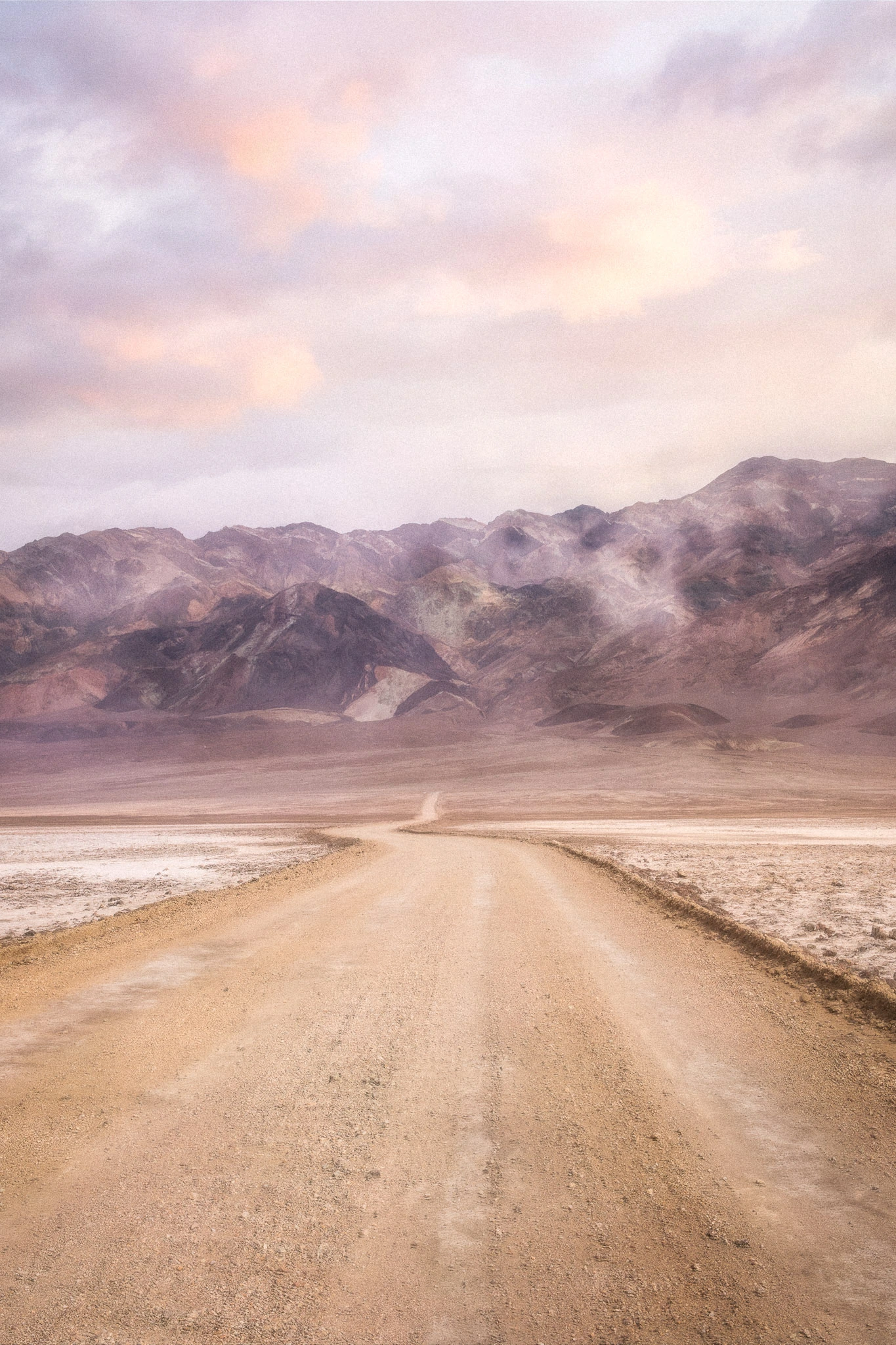
An effective photo title acts like a frame for interpretation, doing the following things:
- Push the viewer in a specific direction
- Add context without cluttering the image
- Turn a photo into something conceptual
A photo title should be intentional, and that is leverage. Use it.
How to Title Your Photography Work
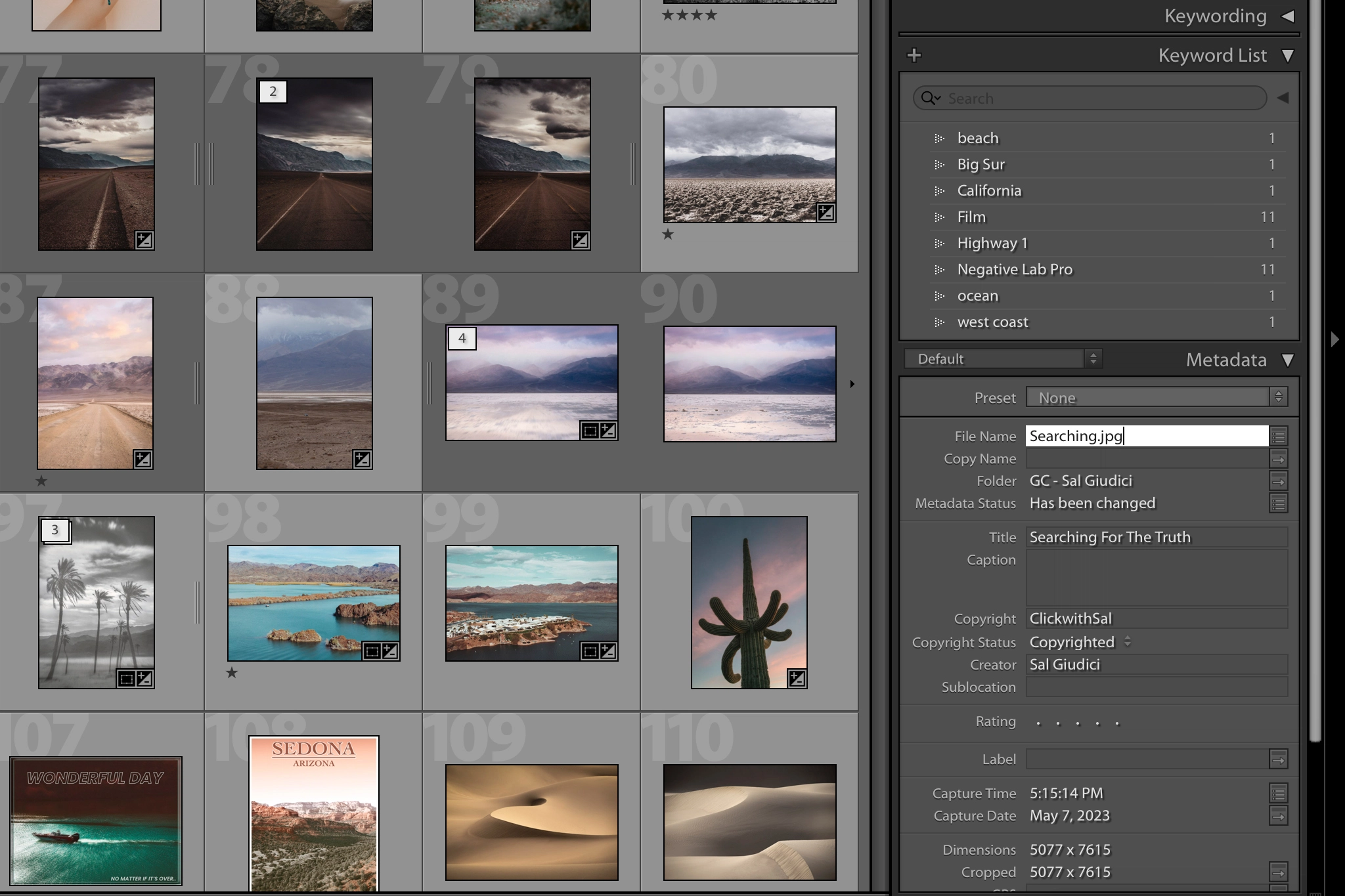
Here is a framework that actually works without overcomplicating things:
- Start with what the image feels like: Strong titles interpret both the image and its meaning. This is especially true for conceptual photography.
- Use fewer words: Long titles dilute impact. Strong naming patterns are usually one word or 2-4 words max.
- Stay consistent across photo series: If you are building a collection, random titles break cohesion. Choose a minimal, thematic system.
- Say it out loud before locking it in: A strong title flows naturally. If it sounds off, change it.
Case Study
To make this real, we will use three photos from the Gallery Canyons Studio Editions collection as reference points. The same principle applies across all of them: the image comes first, but the title controls the final interpretation and perceived value.

This photograph suggests solitude, silence, and a cinematic atmosphere:
- “Woman at Blue Hour“ ❌: Descriptive, forgettable, reduces the image to inventory.
- “Blue Hour Rider” ✅ : Adds identity and rhythm, turns the subject into a character instead of a description.
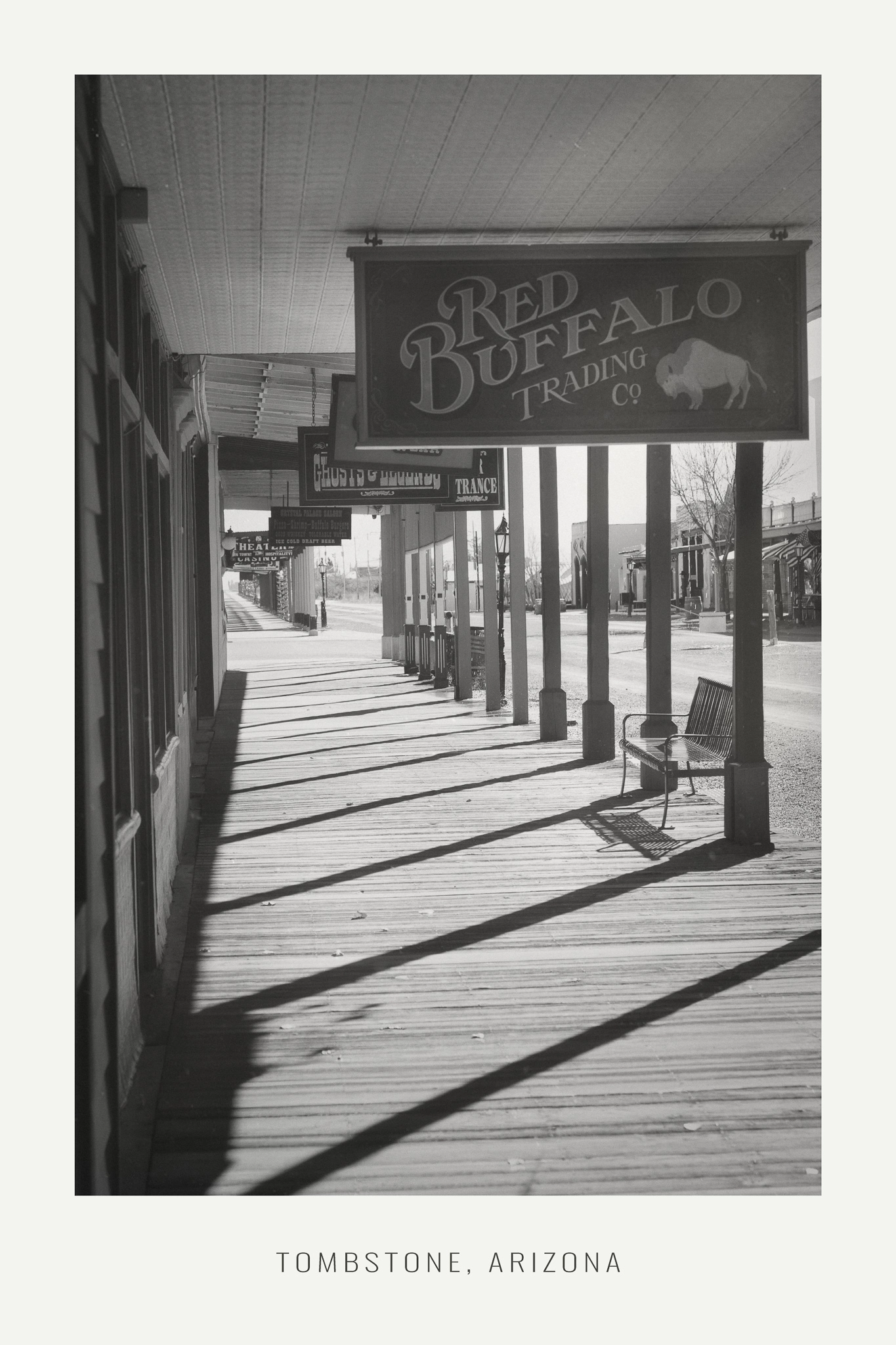
A black and white Old West scene in Tombstone, Arizona. The absence of people in the capture conveys structure and silence:
- “Empty Street in Tombstone” ❌: Literal, documentary, no emotional weight.
- “Tombstone Stillness” ✅ : Turns emptiness into subject matter. It reframes a quiet location as a state of tension rather than a lack of activity.
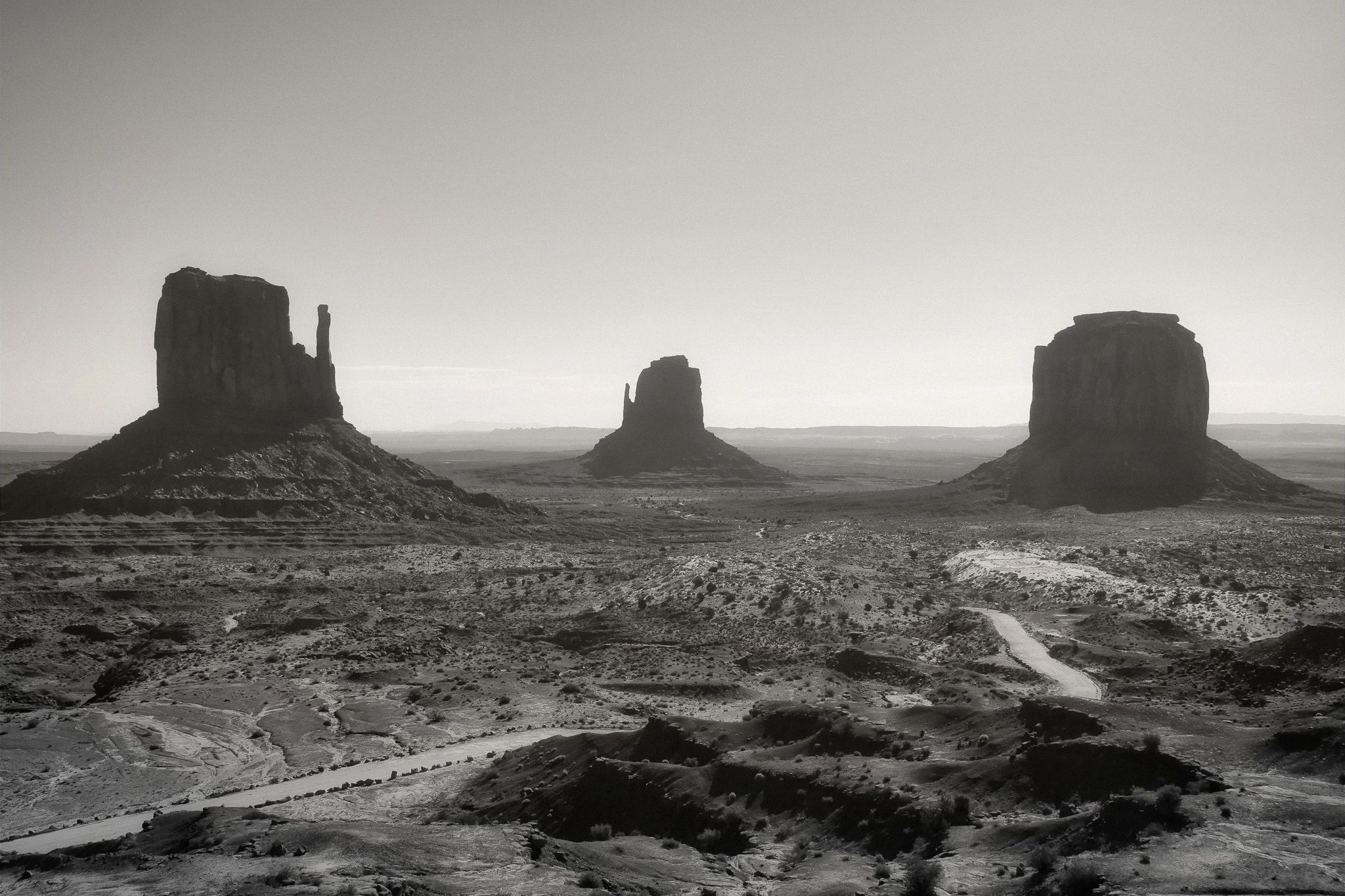
The three iconic buttes in Monument Valley, presented in a restrained black and white composition, lean into authority through intentional minimalism:
- “Monument Valley 3 Buttes” ❌: Pure description, no interpretation, no memorability.
- “Triad” ✅ : Minimal and structured, turns the landscape from geography into symbolism.
A Simple Framework You Can Use Every Time
Ask yourself these four questions when naming a photo:
- Does it add something new to the image?
- Is it short and clean?
- Does it match the mood?
- Would I remember it tomorrow?
If you miss 2 out of 4, rework it.
Also, consider avoiding these common mistakes that instantly weaken your photo titles:
- Over-explaining the obvious: “Woman sitting alone thinking about life at sunset”. This removes all mystery.
- Using cliché language: Anything overused will age your work quickly. Once the hype fades, it lacks originality and starts to feel cheap. If you want timeless work, your language has to match that intention.
- Inconsistency in photo series: If one image is called “Desert Silence” and another is “IMG_4821_final_EDIT”, the series loses credibility and cohesion.
Key Takeaways
- A strong photo title adds meaning, it doesn’t repeat the image.
- Short titles outperform long explanations.
- Naming style must match the type of photography.
- Consistency across photo series builds identity and recognition.
- Weak titles don’t ruin great photos, but they absolutely hold them back.














Leave a Reply