
Studio portrait photography is about creating professional, polished images that reflect personality and style. Controlling lighting, background, and composition creates stronger results for business leaders, personal brands, and anyone who wants a more polished portrait. Whether you’re looking for a corporate headshot or aiming to elevate your image, I’ll walk you through the key elements of studio portrait photography.
Why Studio Portrait Photography Matters
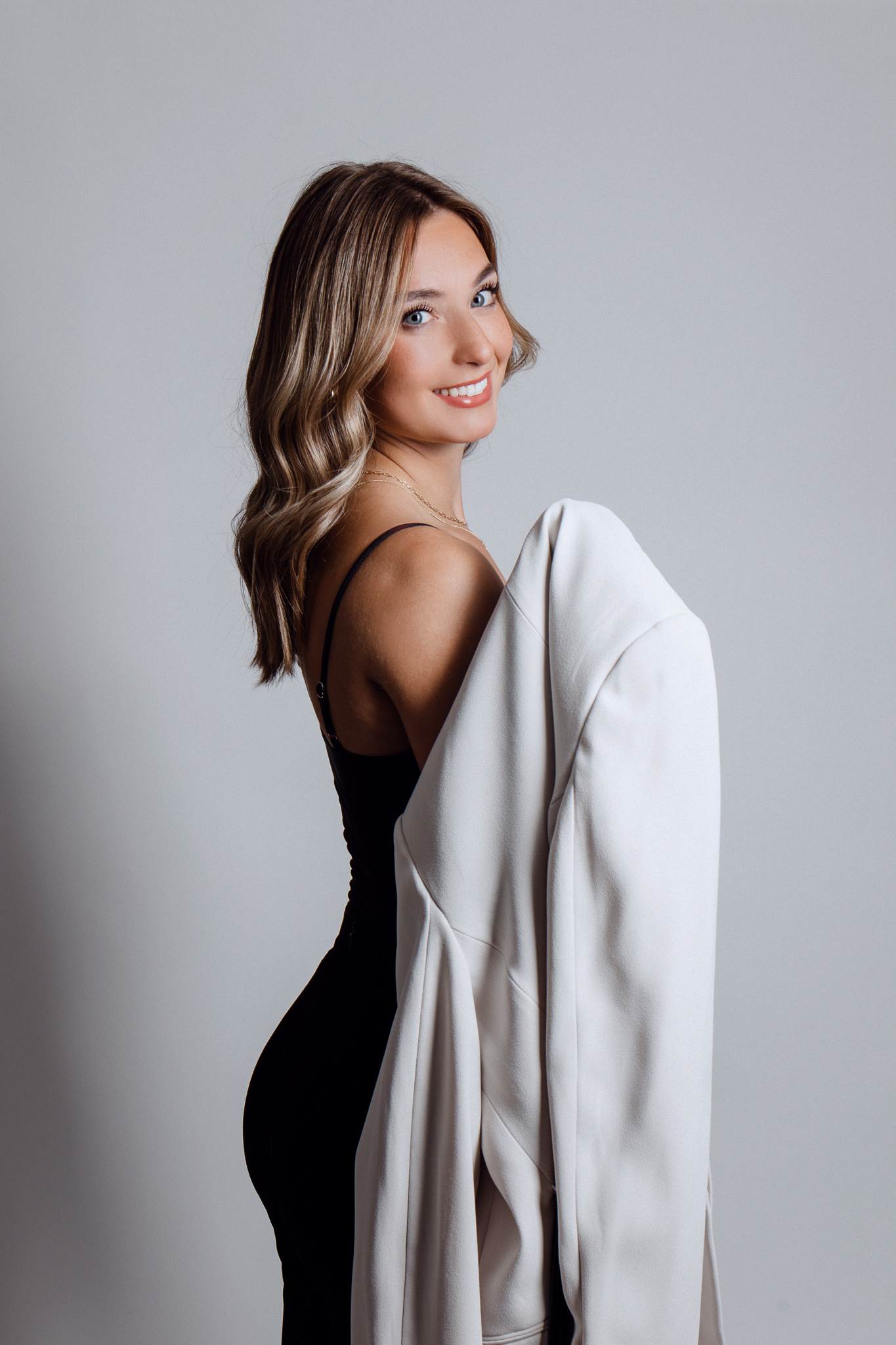
One of the most common uses for studio portrait photography is the executive portrait, which is often the first visual representation of a leader’s professionalism, confidence, and approachability. These portraits matter because they convey credibility with clients, potential partners, and employees. Professional executive portraits matter because first impressions count and can be used on various platforms, such as annual reports, websites, and LinkedIn profiles. A well-planned photo session with multiple setups can maximize versatility, creating a cohesive and consistent brand.
Lighting In Studio Portrait Photography
During a studio portrait session, the controlled environment allows you to experiment with different lighting setups, ensuring the final image captures you at your best. Mastering lighting is essential because it is the key element in conveying the mood you have in mind, whether you’re aiming for a flattering look or dramatic shadows.
Light modifiers can help you achieve these desired effects, giving you control over the lighting and allowing you to tailor it to the specific look you’re going for.
Before you shoot: Studio portraits are shaped before editing ever starts. The modifier, light stand, lens, and camera body all affect how controlled or accidental the final image feels. We put together a shooting gear guide covering the camera bodies, lenses, lighting modifiers, and support gear we use for portrait and studio work.
Composition, Focus, and Camera Settings
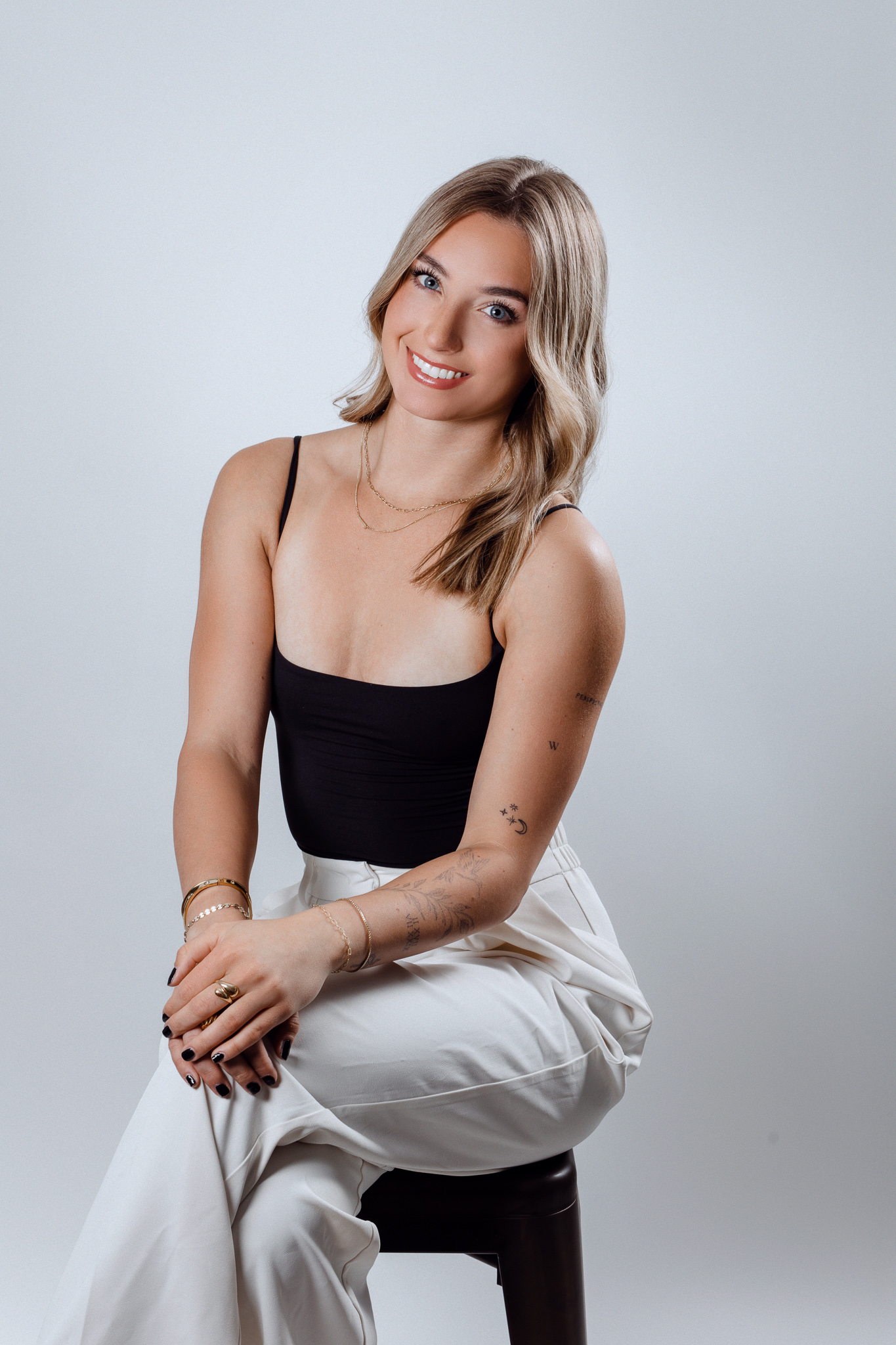
In portraiture, the eyes are the most expressive feature. So, if you’re a photographer, always focus on the eyes. Using single-point focus will ensure the eyes are perfectly sharp, conveying emotion, which is critical in portraiture.
Keeping the background natural and simple prevents distractions. A clean backdrop directs attention to the subject, allowing their personality to shine through. Props can add an extra touch to a portrait, but they should complement, not overpower, the subject.
My recommended camera settings for studio conditions are to shoot in manual mode and keep your ISO low (100-200) to avoid noise and deliver crisp, sharp images. Consider using a wide aperture if you want to isolate your subject from a busy background, or a narrow aperture to allow more focus across the frame.
Creating Natural Expressions
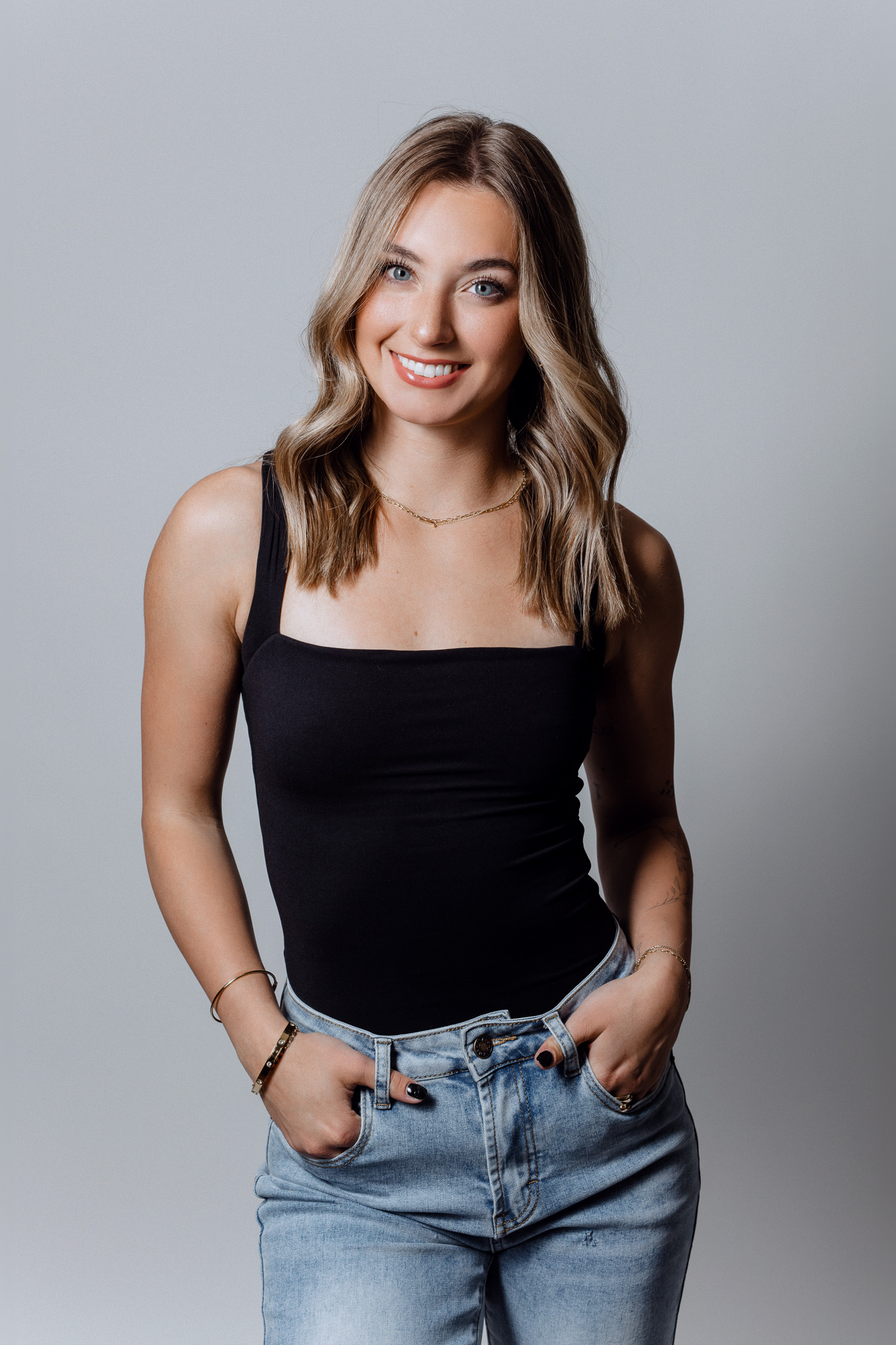
Another important aspect of studio portrait photography is ensuring your subject feels comfortable and relaxed. When the subject is at ease, the portrait will appear more genuine and authentic. I’m a pretty easygoing person, so I always create a friendly and welcoming atmosphere, ensuring that my clients feel at ease and confident in front of the camera. Posing should reflect the individual’s personality while showcasing their cordiality and trustworthiness.
Let’s Work Together on Your Next Project
As a professional photographer based in Scottsdale, I specialize in different types of photography. Whether it’s executive headshots or more edgy concepts, I have the skills and expertise to create high-end photography that elevates your visual appeal.
Additionally, I have been working on e-commerce sites, from product photography to website building. Get in touch to see how my photography can support your business and personal branding needs.
Studio Portraits Photography FAQs
Studio portrait photography is a controlled portrait session built around lighting, background, composition, and direction. Instead of relying on whatever light or location is available, the studio gives more control over the final mood of the image. That makes it useful for professional headshots, personal branding portraits, executive portraits, and polished business images.
A headshot is usually tighter and more direct, often focused on the face and upper body for LinkedIn, company profiles, resumes, or business pages. A studio portrait can go further. It may include different crops, poses, lighting styles, outfits, and a stronger visual mood. If you only need a clean professional profile photo, a headshot may be enough. If you want images for your website, brand, press features, social media, or creative identity, a studio portrait session gives you more range.
Studio portraits work well for business owners, executives, entrepreneurs, real estate agents, creatives, coaches, consultants, artists, and anyone who needs a stronger image online. They are especially useful when your photo needs to communicate confidence, credibility, personality, or a more elevated personal brand.
Wear clothing that matches the way you want to be seen. For business portraits, clean layers, fitted jackets, solid colors, and simple textures usually photograph well. For creative or editorial portraits, wardrobe can be more expressive, but it should still support the story of the image instead of distracting from your face. Avoid loud logos, overly busy patterns, and anything that does not feel like you.
Studio portraits give more control. The lighting, background, shadows, and overall mood can be shaped intentionally, instead of depending on weather, crowds, or harsh sun. Outdoor portraits can work well for lifestyle images, but studio portraits are usually better when you want a clean, polished, consistent look for professional branding.
Yes. A studio portrait does not have to feel stiff or corporate. The result depends on lighting, posing, direction, and how comfortable the subject feels during the session. The goal is not to force a fake expression. The goal is to guide the person into a portrait that feels confident, sharp, and believable.









Leave a Reply