
Faceless portrait photography is a creative approach where body language, composition, and the surrounding environment take on a greater role in storytelling without relying on facial expressions. What’s interesting is how a photograph can feel intimate without direct eye contact, yet mysterious enough to leave viewers searching for clues about the moment. These photographs suggest more than they reveal. However, that effect is never automatic. It takes deliberate choices in framing and visual direction to create that sense of intimacy and mystery.
What Makes Faceless Portrait Photography Different?
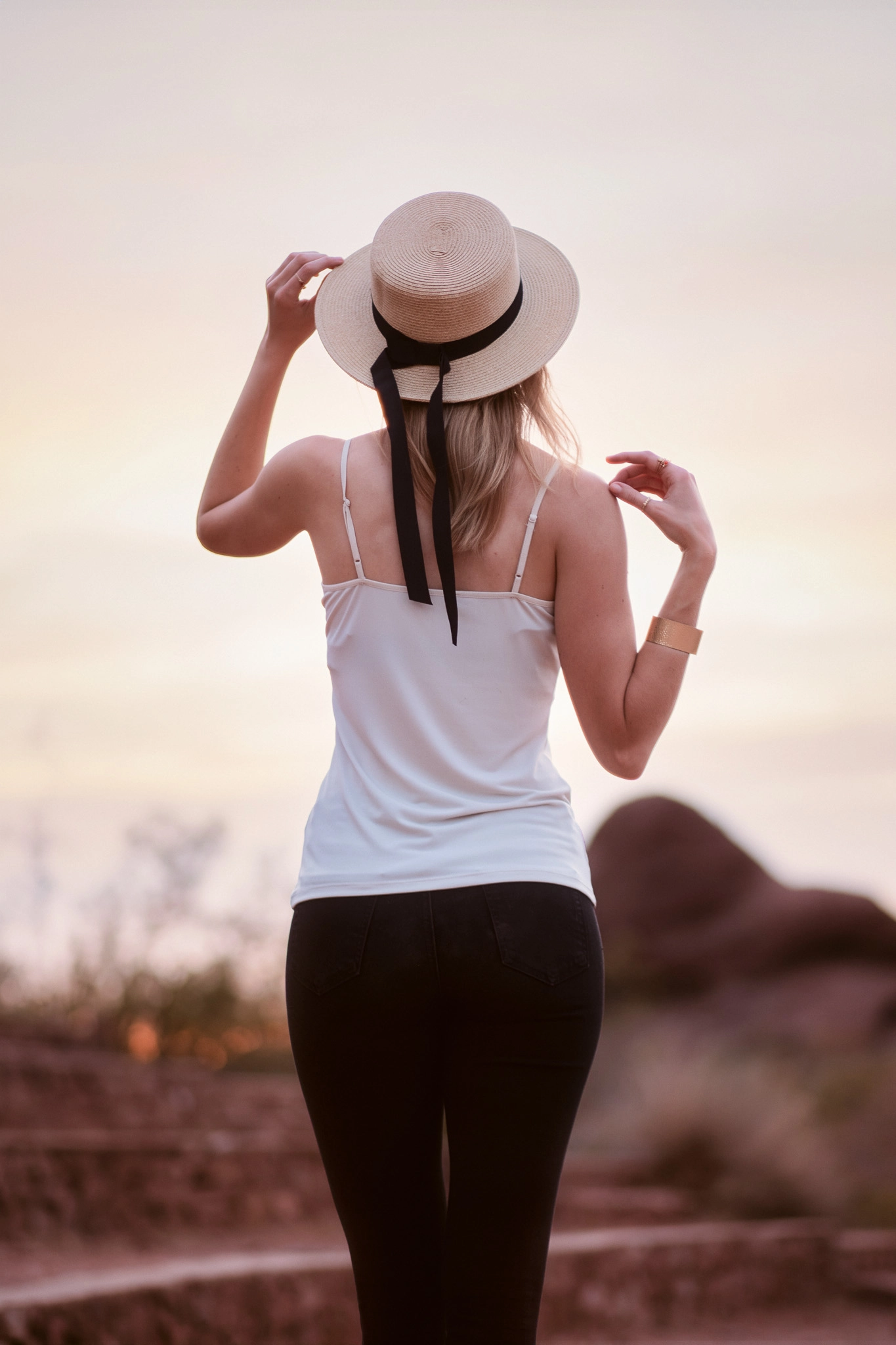
Traditional portraiture often relies on eye contact and facial expressions. In faceless portrait photography, the face is intentionally hidden or visually deemphasized, allowing other elements to carry the story alongside the subject’s physical presence and gestures. This artistic approach shifts attention toward body language and the surrounding space, which becomes more than just a background. It actively contributes to how we interpret the scene.
Bonus for readers: A 50mm lens is a useful starting point when you want the model and environment to share the frame. See our real 50mm portrait examples for practical guidance on distance, composition, and framing.
Faceless Portrait Photography Ideas Worth Trying
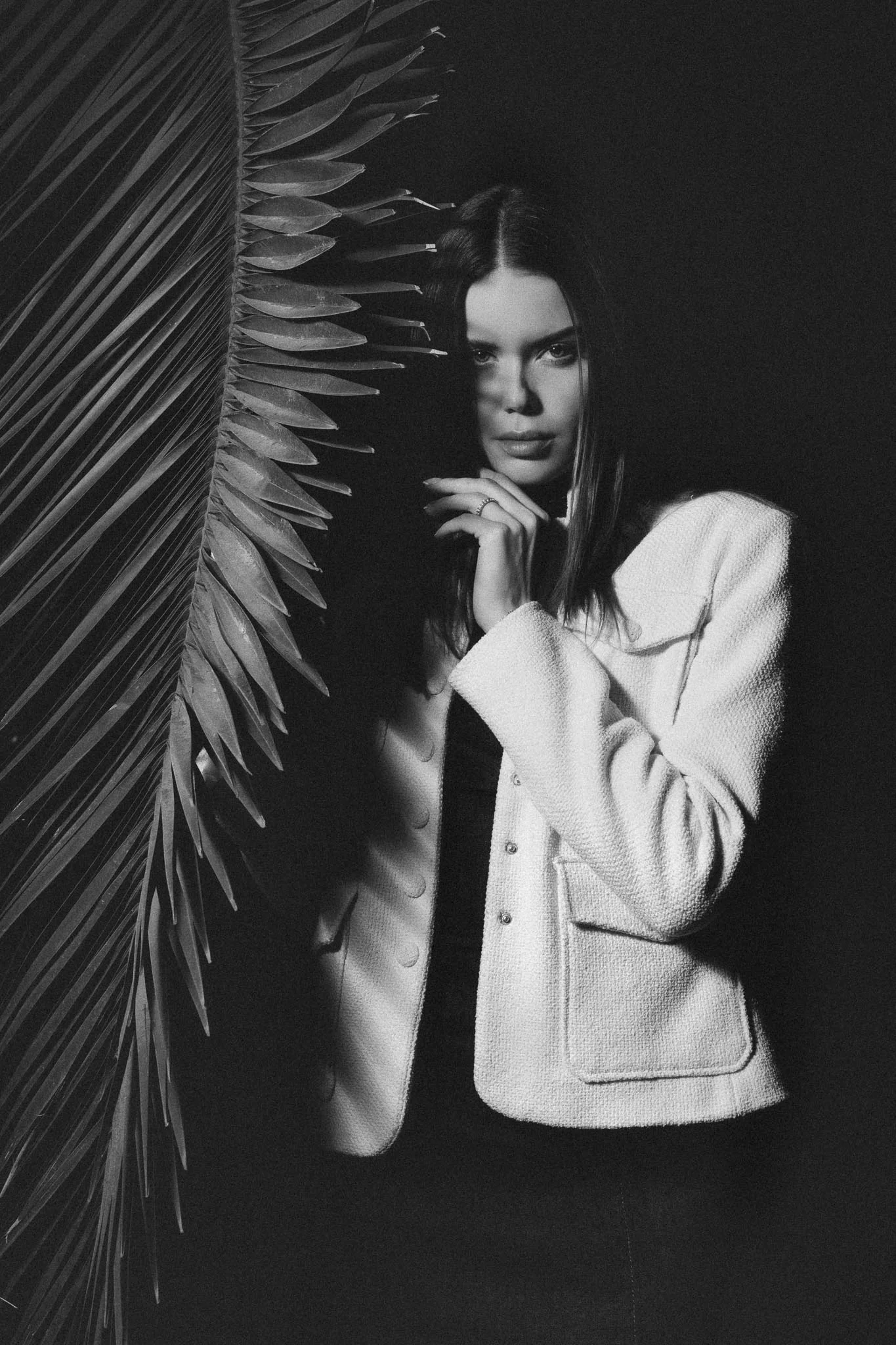
The strongest faceless portrait photography ideas demand control over framing and the relationship between the subject and the environment. Simply hiding the face isn’t enough. Something else has to carry the story. Here are five creative approaches worth exploring:
- Photograph the subject looking away: One of the simplest ways to create a faceless portrait is to position the subject facing away from the camera. This technique works particularly well when the surrounding environment becomes part of the concept and helps shape the narrative.
- Use shadows to conceal part of the face: This approach works best when you want to preserve some connection with the subject while introducing a sense of unresolved tension. Shadows can also add contrast and depth, allowing you to control how much of the subject the viewer can see while creating a sense of mystery.
- Crop the face out deliberately: Not every portrait needs to include the head. A carefully composed photograph focusing on the shoulders, hands, torso, or another body detail can still communicate presence and character. Before pressing the shutter, ask yourself what replaces the face as the main focal point.
- Create a faceless silhouette: Silhouettes can remove recognizable facial details while preserving the subject’s form. With this technique, the photograph communicates through outline, posture, and the surrounding light.
- Let the environment or a second subject complete the portrait: In this approach, the photograph becomes less concerned with physical likeness and more focused on atmosphere, relationships, and interpretation.
How to Plan and Shoot Faceless Portrait Photography
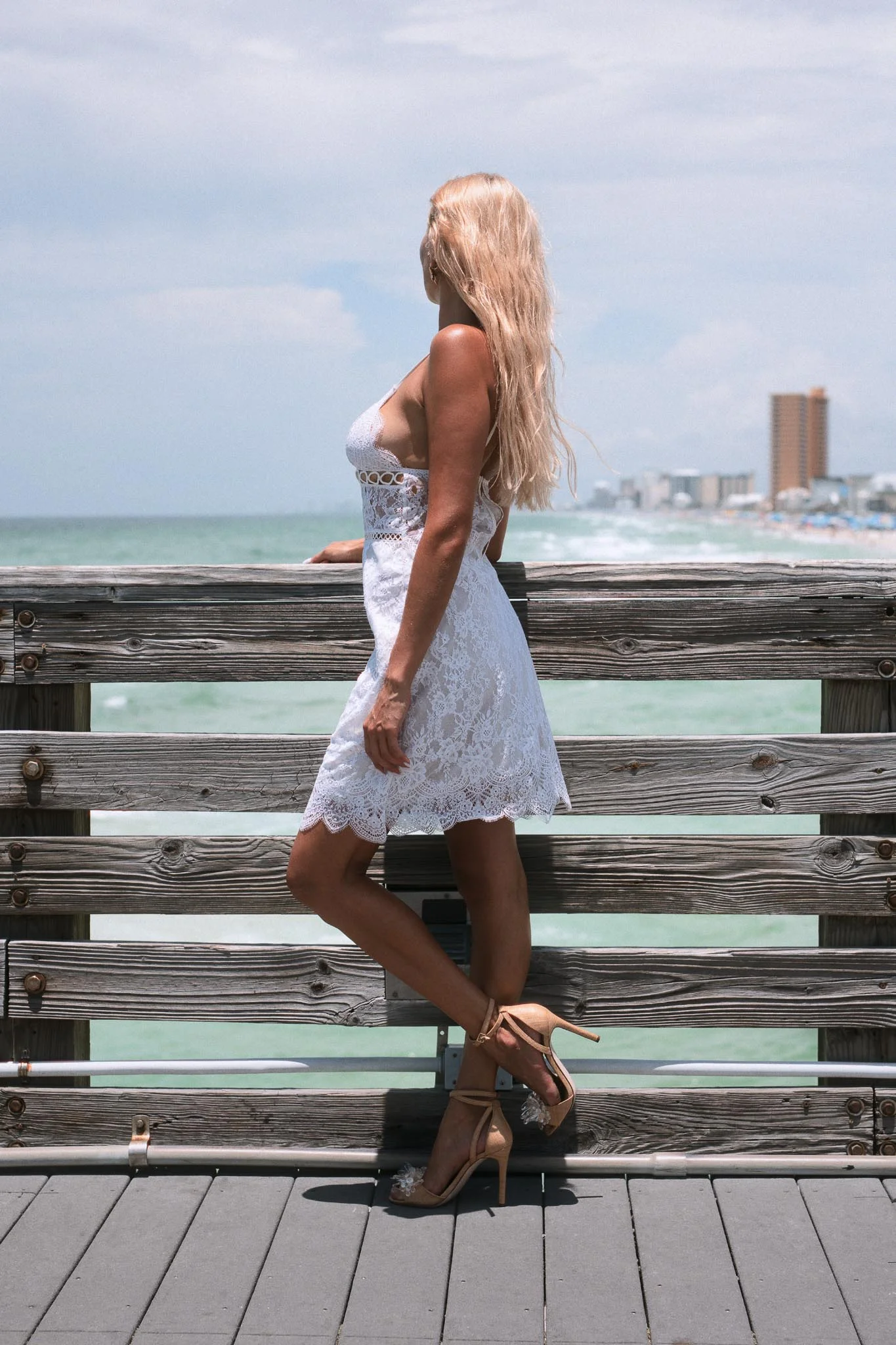
A faceless portrait can happen spontaneously, but you can also start with a clear idea of what you want the photograph to communicate and a location that supports that vision. Since the environment plays an important role in faceless portrait photography, look for directional light and visual elements that strengthen the relationship between the subject and the surrounding scene. When directing a model, pay attention to the moments between poses. These transitions often reveal more natural body language than a pose held for too long.
Focal length also influences how the story unfolds. A 35mm lens captures more of the environment, making it ideal when the surroundings are part of the narrative. A 50mm lens is often the sweet spot, offering a balance between tighter framing and environmental context. An 85mm lens, on the other hand, helps isolate the subject from a busy background and create a more intimate composition.
Editing Faceless Portraits
The editing process should reinforce a photograph’s visual direction, not compete with it. For faceless portraits, we recommend film-inspired color grading to create a cinematic finish that complements the conceptual nature of the image.
If you edit in Lightroom, our free Lightroom portrait preset offers a simple editorial starting point. You can unlock it using the sign-up form below.
But even the best editing works better when the photograph starts with intentional lighting and strong composition. If you prefer shaping the atmosphere before post-processing, optical filters from Prism Lens FX can change how light reaches the sensor, creating distinctive effects directly in-camera. Use code CLICKWITHSAL for 15% off, and explore our Dream FX review for a closer look at the creative possibilities.
Faceless Portrait Photography FAQs
Yes. A portrait can communicate the identity, presence, or character of a person through posture, clothing, gesture, and surroundings without clearly showing their face. The defining factor is the emphasis on the person, not whether the eyes or facial features are visible.
Some of the most versatile faceless portrait poses include turning away from the camera, looking toward the horizon, walking away, or concealing part of the face. The best pose is the one that supports the composition and intended mood.
No. Clothing, tattoos, hairstyle, location, body characteristics, and other visible details can still identify someone. If anonymity is important, evaluate the entire image, not just whether the face appears.
Key Takeaways
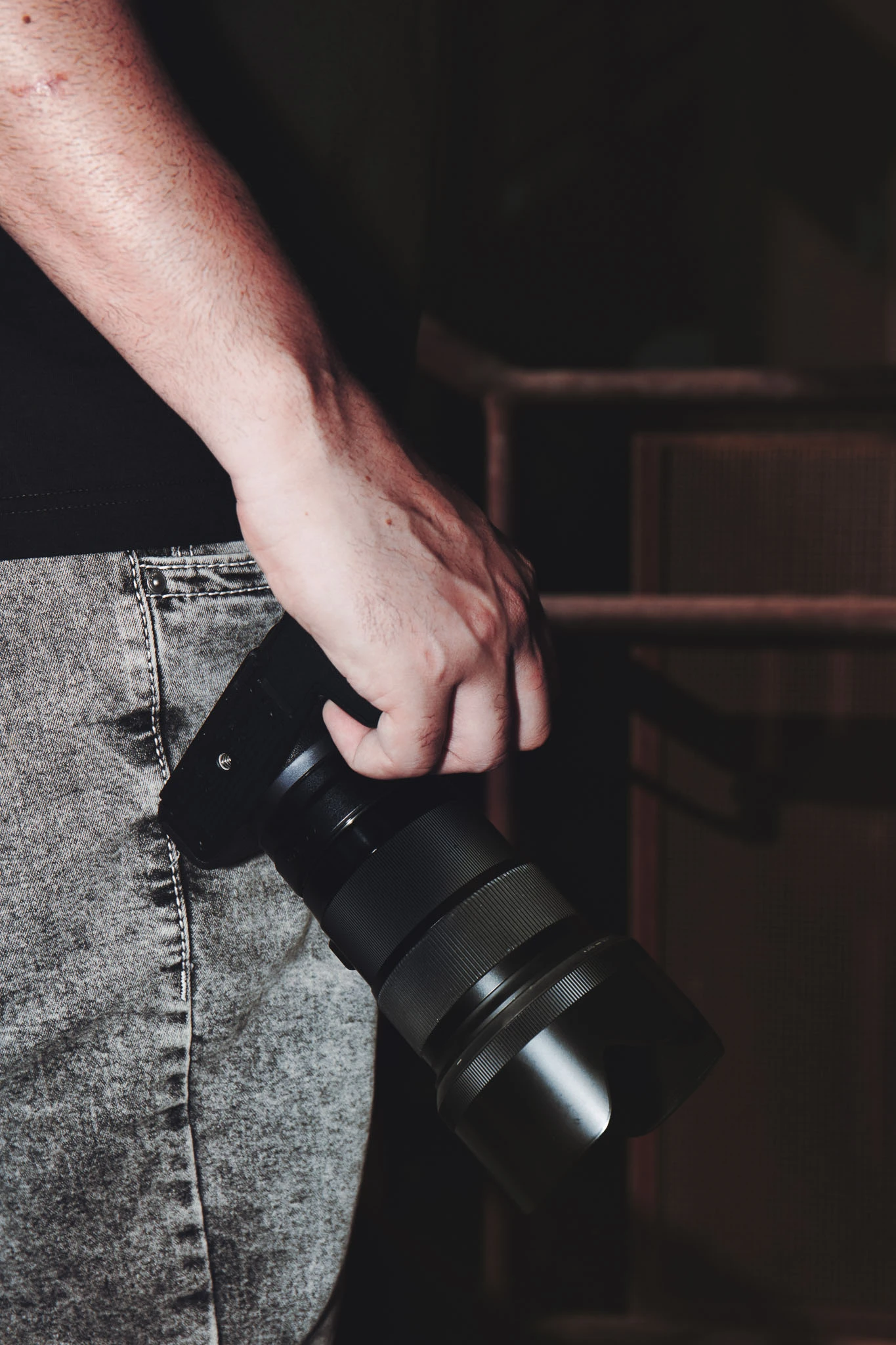
- Faceless portrait photography uses intentional concealment, body language, and composition to tell stories without relying on facial expressions
- A face can be turned away, partially obscured by shadows, or cropped out entirely. What matters is how the absence contributes to the photograph
- Focal length changes the relationship between the subject and the surroundings. A wider composition adds environmental context, while tighter framing emphasizes physical details
- Strong lighting, deliberate framing, and meaningful gestures create the foundation of a compelling faceless portrait. Editing should reinforce that direction, not replace it
Affiliate Disclosure: Some links or promo codes in this article may earn us a commission if you buy through them, at no extra cost to you. That does not change our opinion. We recommend tools based on whether they actually fit the workflow.











Leave a Reply