
Fine art portrait photography turns the subject into a living narrative where light, styling, composition, and retouching work as deliberate storytelling tools. In this guide, we break down what fine art portraiture truly means in practical terms, how photographers can use it to direct intentional visual stories, and what it represents for clients who want to commission artwork that goes far beyond a standard portrait session.
What Is Fine Art Portrait Photography?

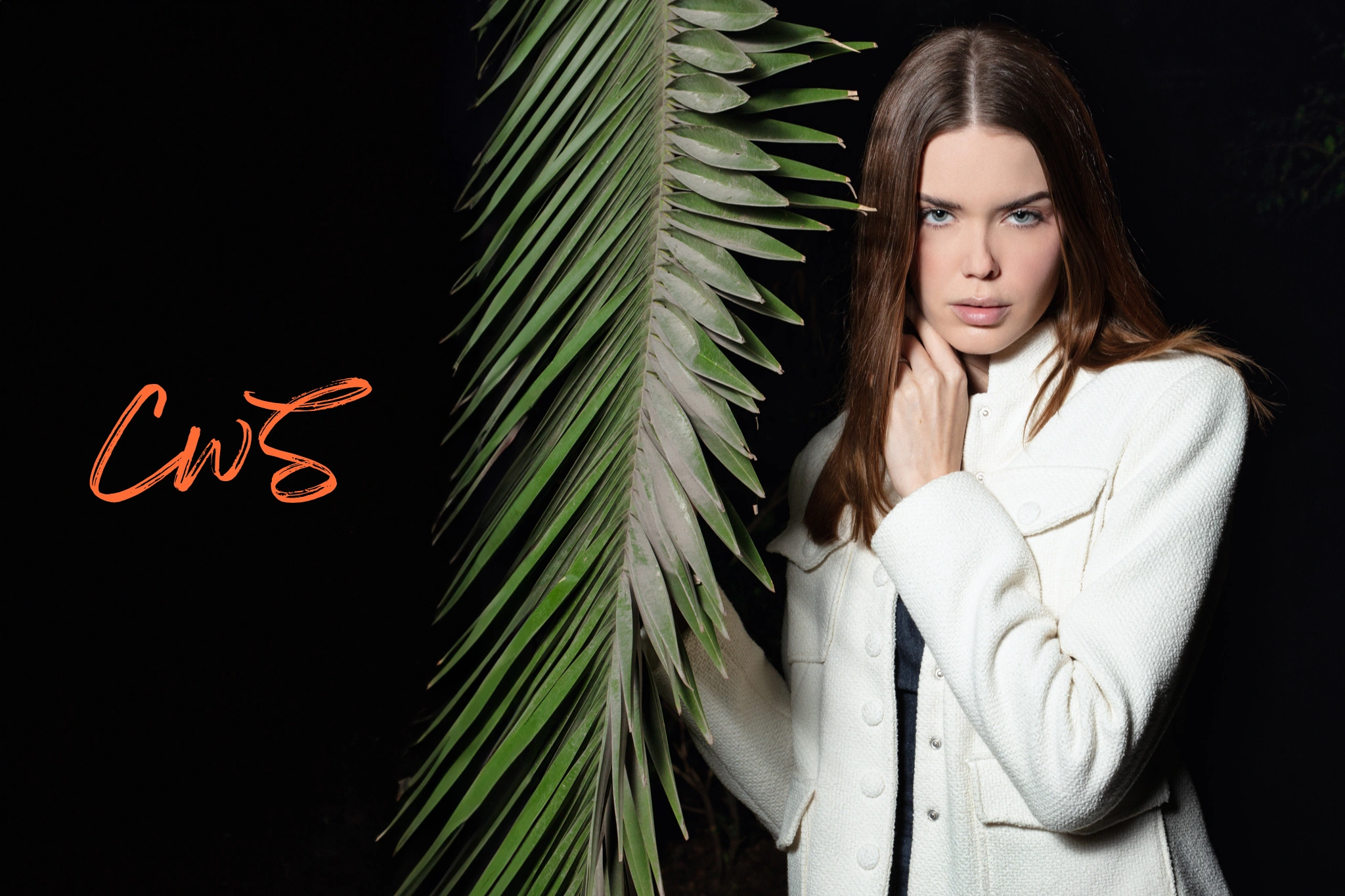
Fine art portrait photography is a style where the emotional tone matters, where the play between light and shadows supports the concept, and where the model supports the idea rather than simply posing for the camera.
Direction in Fine Art Photography Portraits
Fine art portrait photography begins with concept. Before you pick up the camera, define what the viewer should feel and how symbolism will support the narrative. Every prop, gesture, and lighting choice should strengthen the story and elevate the visual authority of the image. If you are leaning into a surreal or ethereal direction, explore our article on creating ethereal imagery to refine your approach.
Intentional, sculpted lighting is a defining element of fine art portrait photography because it elevates an image beyond the ordinary. Directional light, soft diffusion, and controlled shadows shape dimension, carve structure into the subject, and create emotional tension. Light is not just illumination. It is the tool that defines mood, presence, and narrative.
Before you shoot: Fine art portrait photography is not only about concept and editing. The lens, light direction, modifier, and support gear all influence how much tension, softness, or structure the portrait carries. We cover the shooting gear behind that process in our portrait photography gear guide.
Fine art portrait photography requires strong direction and a background that supports the concept without competing for attention. Instead of asking your model to simply smile at the camera, ask them to hold a memory. Subtle expressions always translate better than forced reactions. Keep the environment controlled. Neutral walls, minimal backdrops, or subdued landscapes create space for the subject to breathe.
Editing Fine Art Portraits

The goal of editing in fine art portraiture is refinement, not reconstruction. The image should feel intentional and real, not plastic. Over-retouching without taste or restraint kills the mood and cheapens the final result.
Bonus for readers: We consistently test advanced photo editing tools to find workflows that improve efficiency and creative control without flattening the character of the image. For fine art portrait work, Luminar is a strong option for creative finishing, color, atmosphere, and selective portrait adjustments. Explore our Luminar review to see how it fits into a modern photography workflow.
Why Fine Art Portrait Photography Costs More
Fine art photography costs more than a standard session because it is an art-driven service. It requires concept development, mastery of lighting, and a highly curated selection of images. The process goes far beyond basic edits. It includes advanced color grading and precise retouching.
If you are a client commissioning fine art portrait photography, look for:
- A consistent mood across the portfolio
- Intentional color grading
- Emotional subtlety
- Lighting depth
If you are a photographer building authority in this style, focus on:
- Developing a recognizable editing signature
- Narrowing your specialty
- Refining your lighting technique
- Publishing fewer but stronger images
Remember, fine art photography is a curated craft. Here are some common mistakes to avoid:
- Shooting without a concept
- Over-lighting everything
- Over-smoothing skin
- Choosing busy backgrounds
- Delivering too many images
Fine Art Portrait Photography FAQs
Fine art portrait photography is portrait photography created with a stronger artistic concept, mood, and visual direction. Instead of only capturing how someone looks, the image is built around emotion, symbolism, lighting, styling, composition, and final retouching.
Regular portrait photography usually focuses on a clean, flattering image of the subject. Fine art portrait photography focuses more on story, atmosphere, and interpretation.
Fine art portrait photography costs more because it requires more planning, direction, lighting control, and editing than a standard portrait session.
Yes. Fine art portrait photography works well as wall art because it is created with mood, composition, and final presentation in mind.
Key Takeaways
- Fine art portrait photography prioritizes concept over flattery.
- Lighting is a narrative tool, not just exposure control.
- Background simplicity strengthens emotional impact.
- Editing should enhance texture, not erase it.
- Fewer images with higher production value justify premium pricing.
Affiliate Disclosure: Some links or promo codes in this article may earn us a commission if you buy through them, at no extra cost to you. That does not change our opinion. We recommend tools based on whether they actually fit the workflow.









Leave a Reply