
Exploring different artistic styles in photo editing means developing an intentional visual language shaped by mood, contrast, and texture. Artistic photo editing can be a decisive step toward turning a photograph into a collectible. Film-inspired, matte, dreamy, surreal, and experimental hybrid styles are all recognized approaches within artistic editing. Ultimately, an optimized editing style is often key when it comes to compelling editorial work or fine art photography prints.
Why Artistic Photo Editing Matters

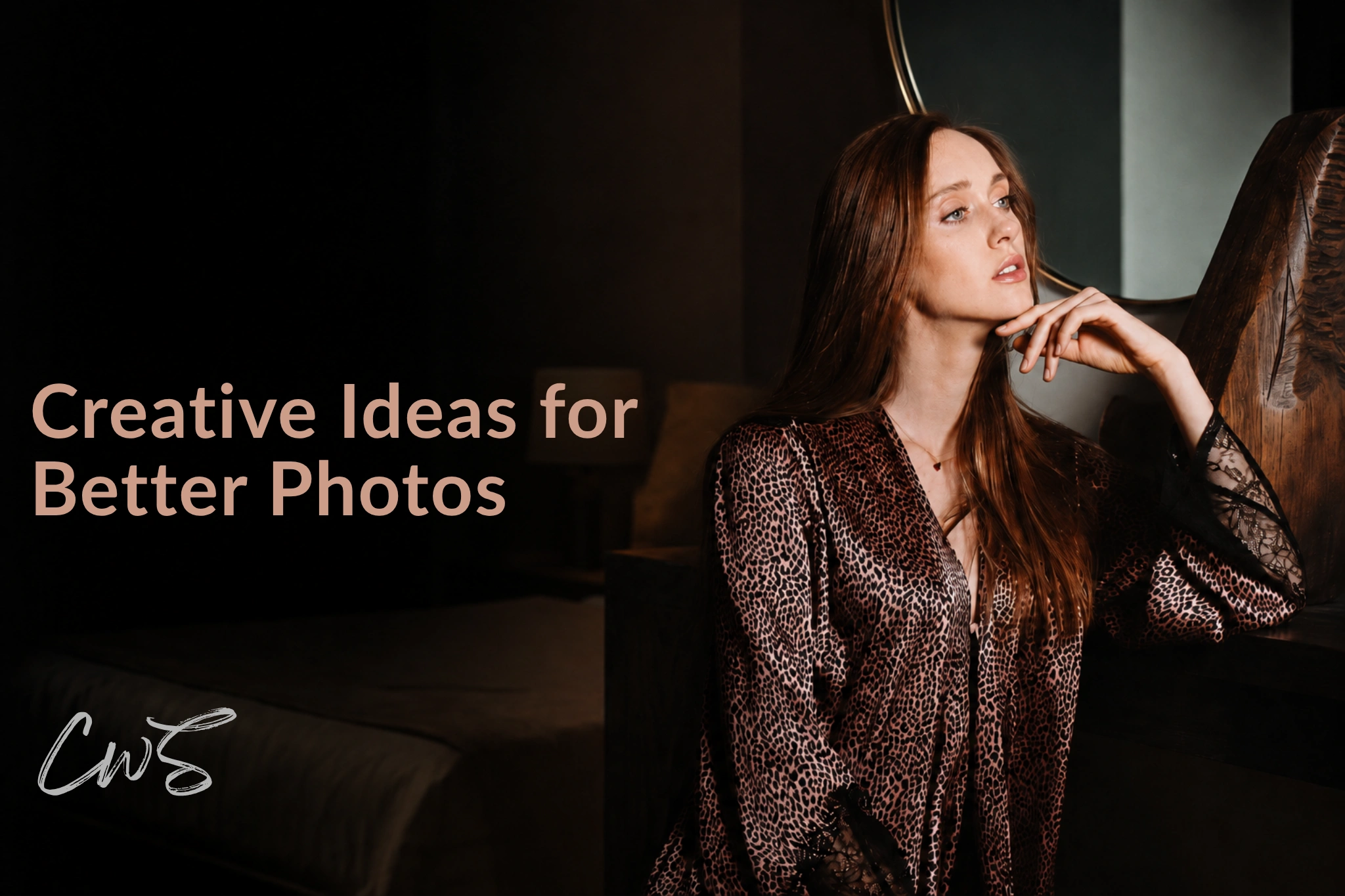
A dreamy Southwestern desert home backyard, with a lingerie model and a sense of hallucinated nostalgia, might only partially exist during the shoot, but it fully comes to life through editing and creative choices. This is why photo editing matters:
- Artistic photography relies on emotional continuity, not realism.
- People remember mood.
- Editorial work demands consistency across series.
- Prints amplify flaws and weak color decisions.
Photo Editing Styles

Below we list alternative artistic photo editing styles to consider, each designed to amplify mood and reinforce the narrative behind the image:
- Analog Editing Style: Film-inspired editing mimics real film behavior. True film-style edits avoid aggressive clarity and heavy saturation. Skin tones are protected. Shadows breathe. Grain is added last, not used to hide bad color. Bonus for readers: Dehancer treats film as behavior, not a filter, promo code CWSPROMO10 gets you 10% off.
- Matte and Faded Editorial Style: Lifted blacks, reduced contrast, muted saturation. This style pairs naturally with mid-century concepts featuring faded color, softness, time distortion.
- High-Contrast Style: Hard blacks, crisp whites, sharp detail. High-contrast styles demand confidence. Weak lighting collapses instantly here.
- Surreal and Experimental Editing Style: This category is grounded in concept, double exposures, symbolic elements, and narrative.
AI Photo Editing Tools
At the beginning of 2026, especially in the photography prints world, there is a growing group of photographers in the “AI is evil” camp. AI-assisted editing workflows are powerful processes that can elevate your images without replacing your artistry or photography skills. These skills remain essential for creating truly exceptional work. AI-assisted editing also demands taste, creativity, and technical know-how to achieve the best results. Tools like Luminar Neo and Dzine AI can be integrated into your workflow if you want to explore alternative artistic styles and stay ahead of the curve. Remember, the craft evolves, and there is no time for outdated opinions.
Photo Editing Commits to Direction

Your camera, your lens, and, most importantly, how you use them shape the possibilities you capture. An intentional artistic style in photo editing defines authorship and determines how your work will be remembered. In editorial and fine art photography, editing is a medium of its own.
Final Takeaways
- Artistic photo editing is a deliberate visual language.
- Photo editing defines artistic identity.
- Editing transforms potential into collectibility.
- Core styles include film/analog, matte/faded, high-contrast, and surreal/experimental; each communicates narrative and emotion differently.
- AI-assisted tools accelerate experimentation but don’t replace intentional editing.









Leave a Reply