
A hotel room photoshoot might sound restrictive, but different areas and features can function as separate sets, each with its own light, depth, and visual tension. That was exactly our approach for this hotel room model photoshoot. Instead of fighting the environment, we used it to shape the images. It was the kind of setup that forced better decisions, especially when it came to lighting, lens choice, and composition.
Bonus for readers: Want to see the cameras, lenses, lighting, and accessories we actually use for portrait work? Explore our photography gear guide before building your own photoshoot setup.
Start by Choosing the Hotel Room
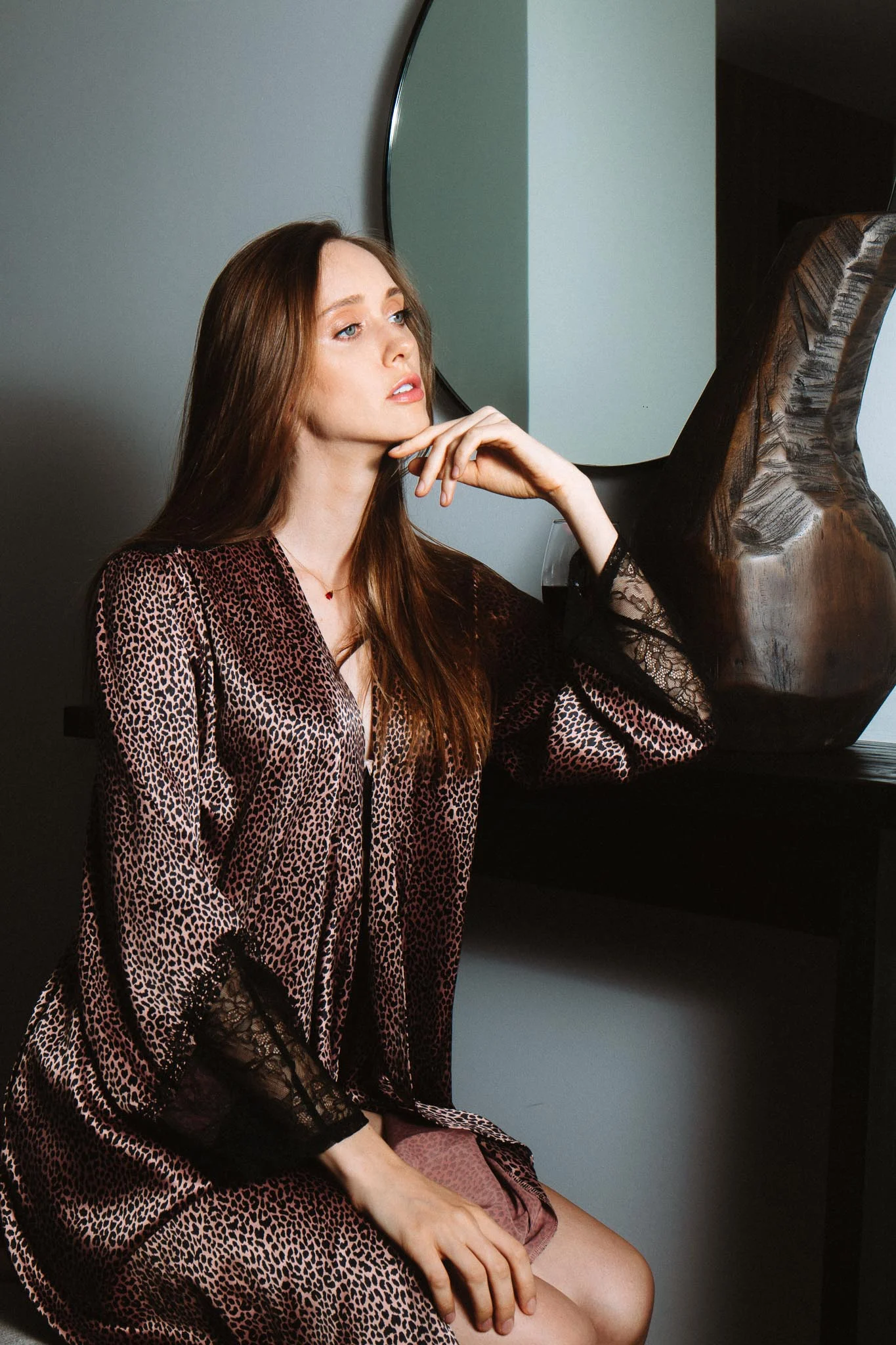
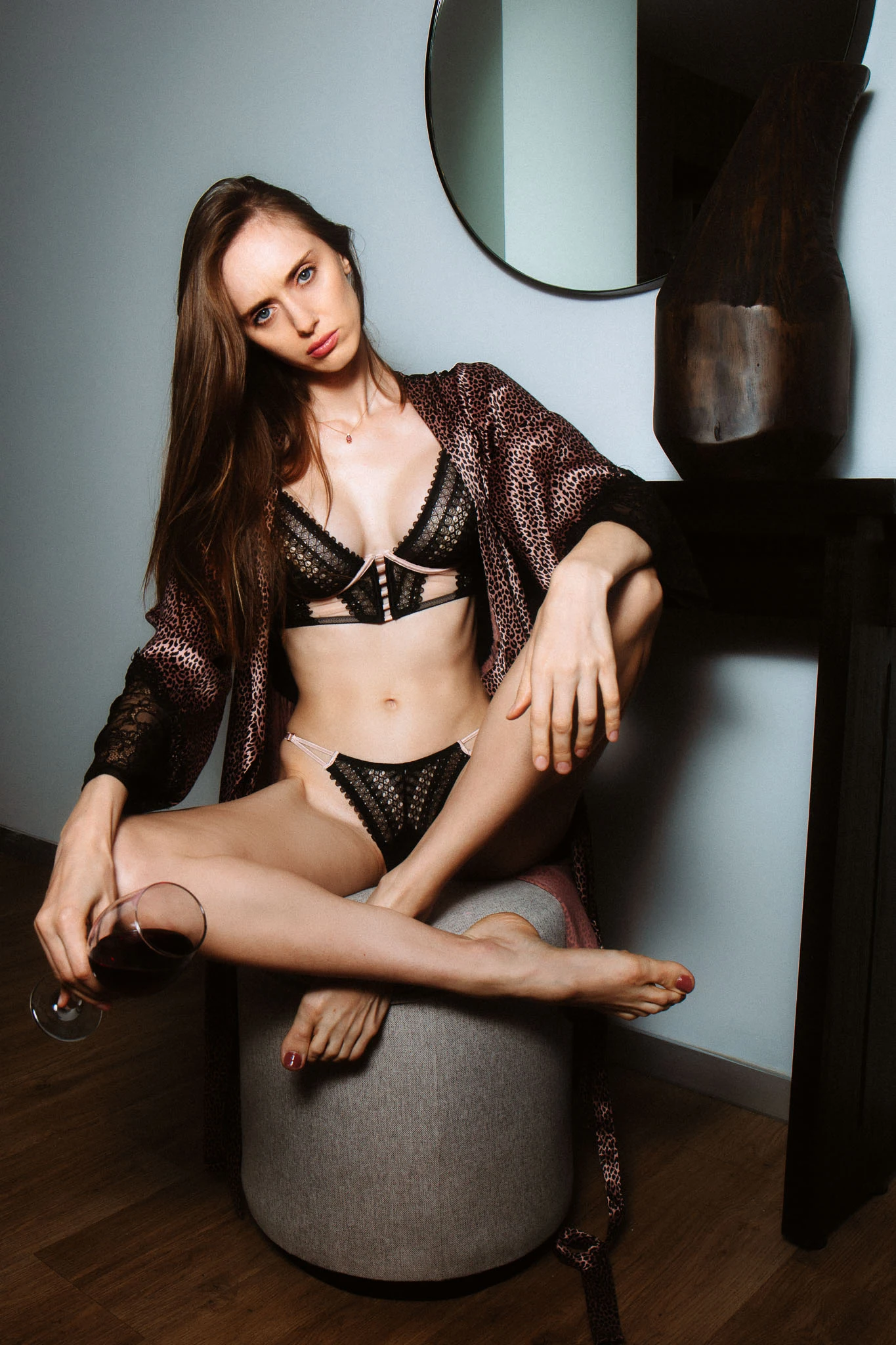
Before booking or requesting a room, look for:
- Enough space to move around
- Furniture that can create sitting or standing setups
- Relatively clean walls and surfaces
- Mirrors that can be incorporated intentionally
- An attractive exterior view or balcony
Before reserving the room, also check the hotel’s photography policy, especially if you are bringing a production setup into the property. Some hotels require advance approval for professional photography, particularly when models, lighting, tripods, or a crew are involved. Other properties distinguish between casual guest shoots and commercial photography. The lobby, pool, hallways, and other shared spaces may also have stricter rules than your room, so do not assume that booking a room automatically gives you permission to shoot throughout the property.
Once you have the room, clean the frame before you start creating. Remove anything that won’t belong in the image, including:
- TV remotes
- Menu and information cards
- Luggage racks
- Personal bags
- Visible cables
- Trash cans
Also check mirrors, windows, countertops, and dark glossy surfaces for fingerprints, dust, or distracting reflections. Generative AI can remove a distracting object later, but that should be reserved for a real post-production problem, not something you could have controlled in the room before pressing the shutter.
Hotel Room Photoshoot Ideas
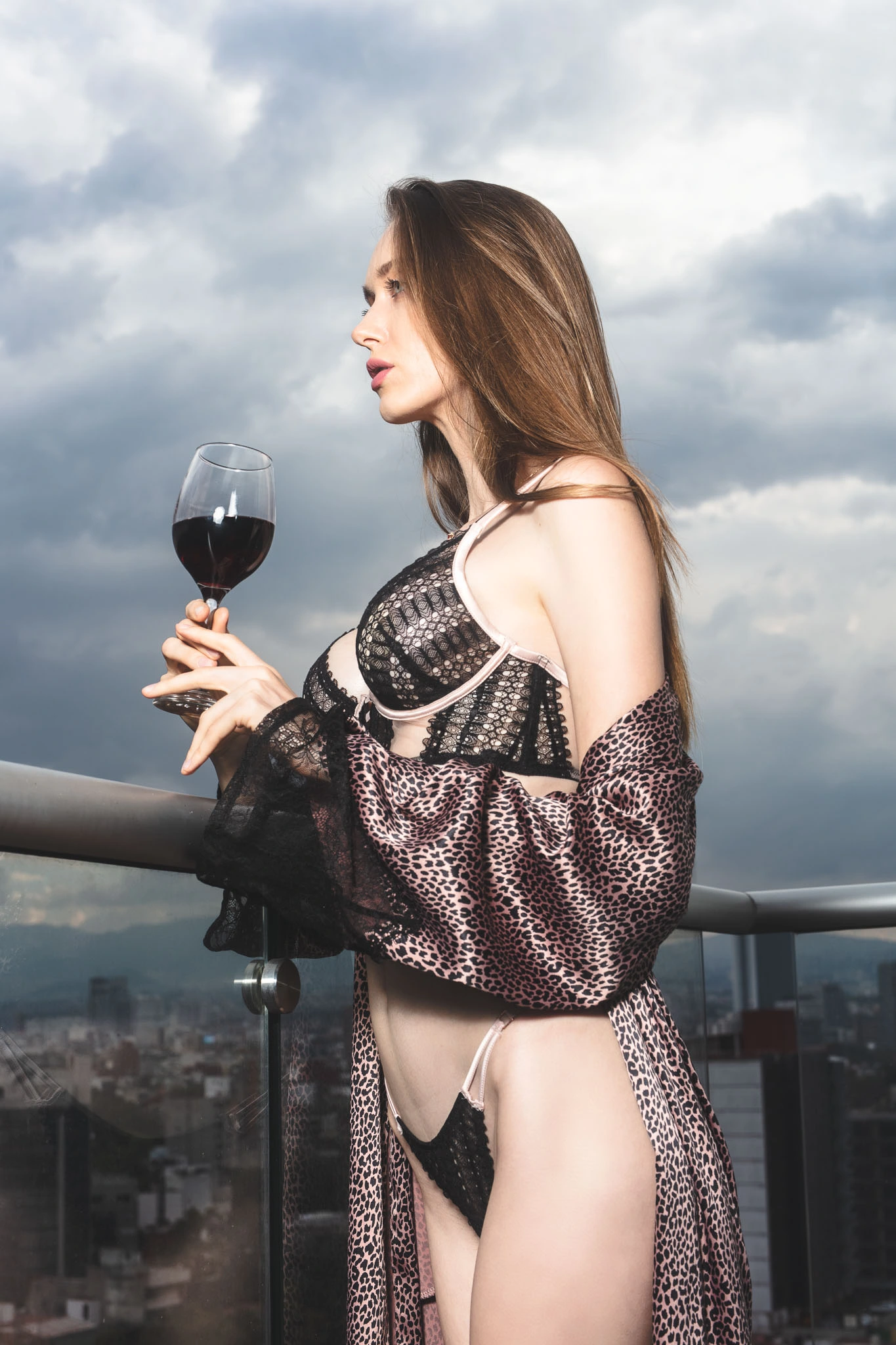
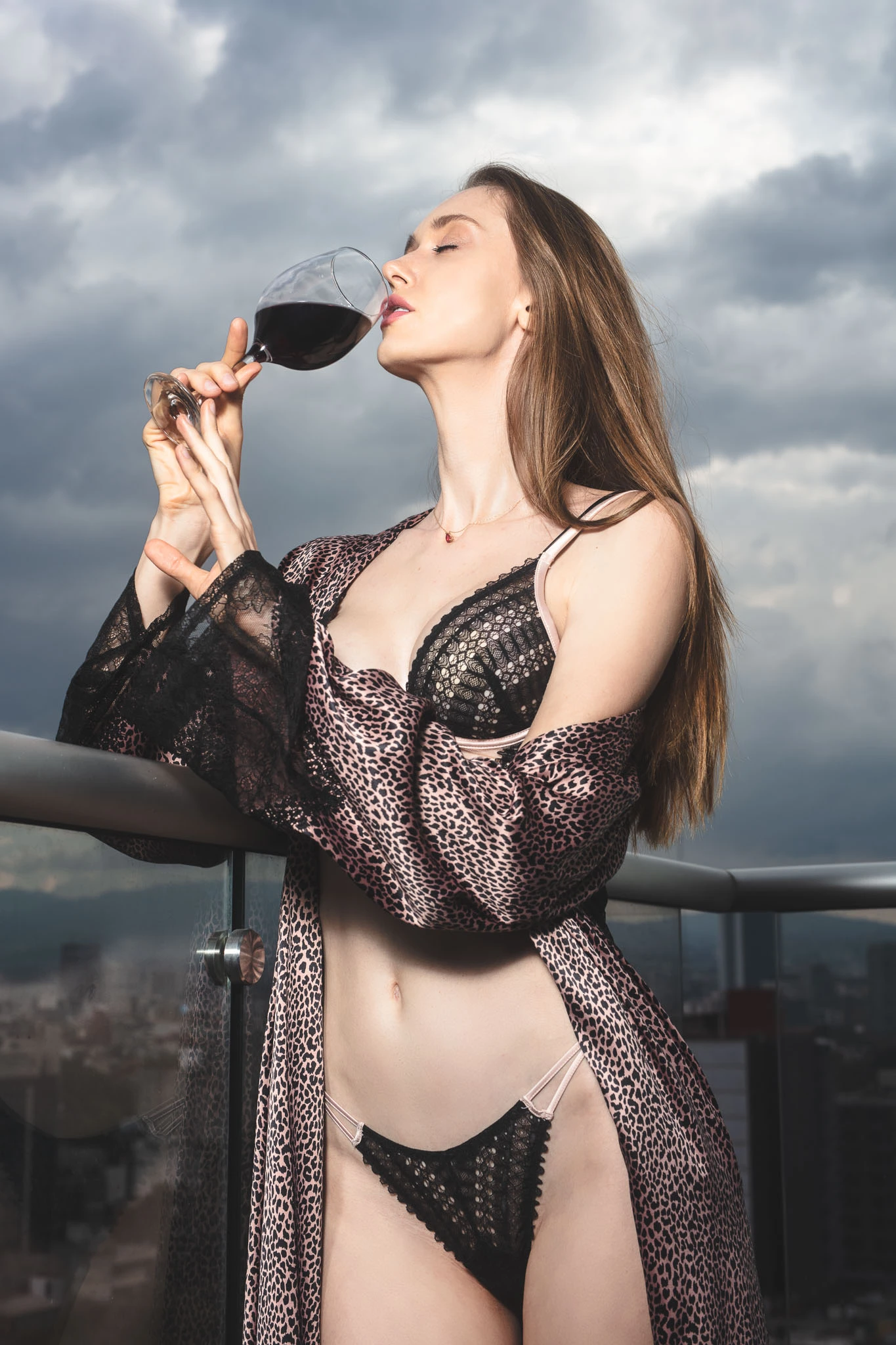
Hotel room photos don’t have to default to robes and breakfast trays. Build the concept around the room’s strongest features and the light you can create or control. Here are a few ways to get more out of the space:
- Treat the hotel room as multiple sets: Change your camera angle and build separate compositions around the window, balcony, furniture, mirrors, and smaller corners. One room can produce several distinct scenes if you stop treating it as one location.
- Lighting: Use natural window light when it works, and look for opportunities to backlight your subject. This can work particularly well with sheer curtains, reflective surfaces, or diffusion filters.
- Practical lamps: Don’t automatically turn on every lamp in the room. Use only the ones that improve the mood, add depth, or strengthen the composition.
- Flash: If the room lacks strong natural light, flash may need to take over. Hotel rooms can punish uncontrolled light because it bounces off walls, ceilings, mirrors, and glass, so use a setup that keeps the light directional and controlled.
What Lens Works Best for a Hotel Room Photoshoot?
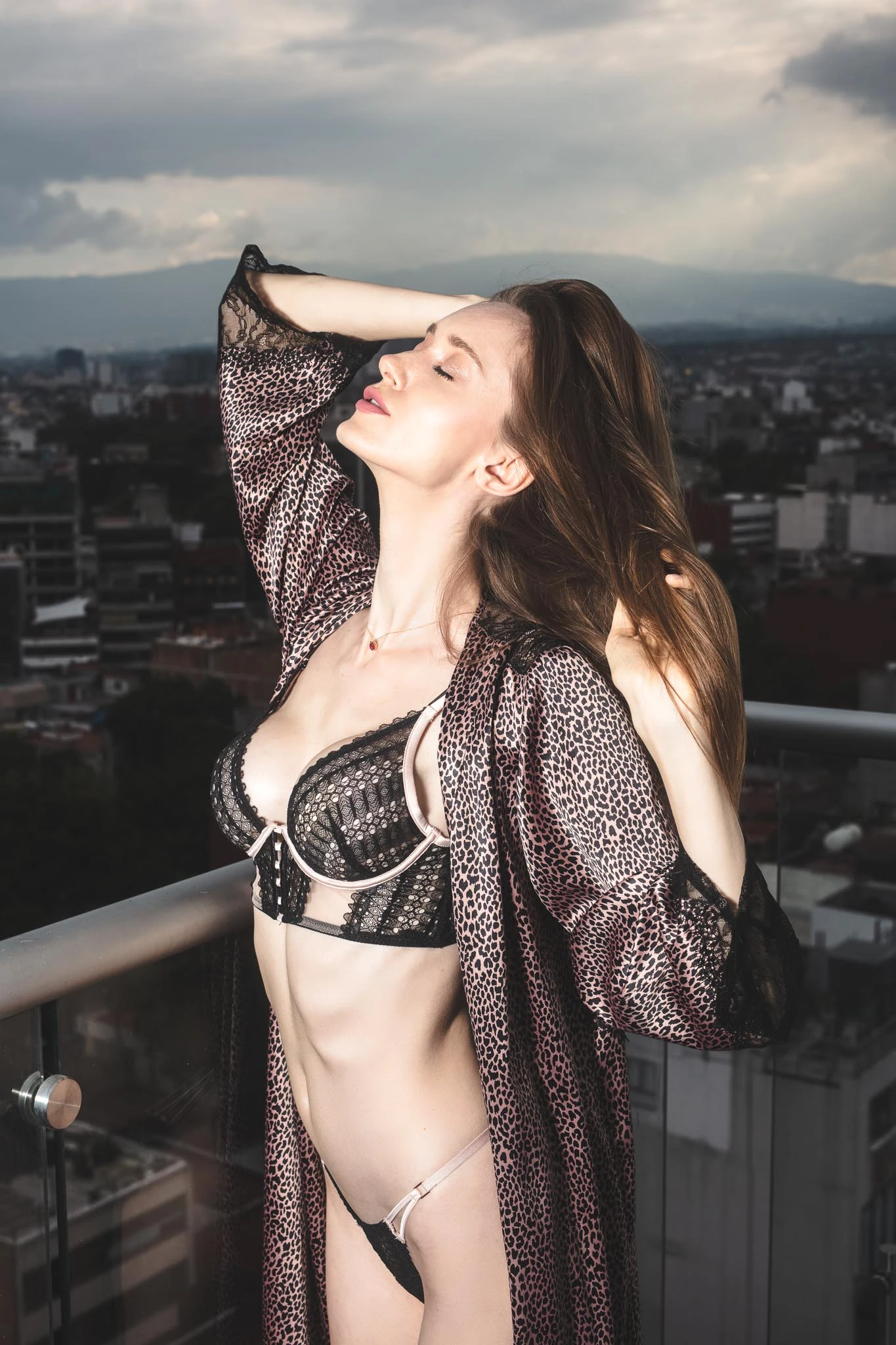
For most hotel room portrait photography, a 35mm or 50mm prime and a 24-70mm zoom will cover nearly everything you need. An 85mm can be beautiful, particularly from a balcony or across a larger suite, but in a small standard room, you can simply run out of physical distance. Ultra-wide lenses are another viable option, but keep in mind that they can exaggerate the size of the room, stretch objects near the edges of the frame, and distort the model when you work too close.
For the photos featured in this article, Sal also used the Dream FX Filter from Prism Lens FX. We chose diffusion for this shoot because the model’s satin robe and the hotel room itself gave the filter plenty of highlights and textures to react to. However, not every hotel room photoshoot needs diffusion. If it matches the atmosphere you want to create in-camera before touching the edit, we recommend checking out Prism Lens FX.
Bonus for readers: Use code CLICKWITHSAL for 15% off Prism Lens FX products.
Hotel Room Photoshoot Kit
For this kind of session, we would rather bring a compact kit we can move around than recreate a full studio indoors. A practical setup is:
- Camera body
- 35mm, 50mm or 24-70mm lens
- Spare battery
- Small reflector
- Compact flash
- Creative filters such as Dream FX
If you are building your portrait kit, our portrait photography gear guide covers the camera bodies, lenses, lighting, and support equipment we use or would seriously consider for real shooting situations.
Hotel Room Photoshoot FAQs
A 35mm or 50mm prime lens works well for most hotel room photoshoots because both give you enough room to include the environment without excessive distortion. A 24-70mm zoom is another versatile option.
Treat different parts of the hotel room as separate sets. Windows, curtains, mirrors, furniture, doorways, balconies, and smaller corners can all create different compositions when you change the lighting, camera angle, and distance from the model.
It depends on the hotel’s policy and the scale of the shoot. Some hotels allow photography inside a booked room, while commercial shoots may require advance approval.
Natural window light is often the easiest starting point. If natural light is limited, a compact flash can provide more control, but keep the light directional to avoid unwanted reflections and excessive bounce from walls, mirrors, and ceilings.
Key Takeaways
- A hotel room can produce several distinct portrait setups when you use room features as separate sets
- Clean and simplify the room before shooting instead of relying on generative AI to remove preventable distractions later
- A 35mm, 50mm, or 24-70mm lens gives you enough flexibility for most hotel room photoshoots without requiring excessive shooting distance
- Creative tools such as Dream FX can add atmosphere in-camera, but diffusion should support the concept rather than become the concept
- Check the hotel’s photography policy before bringing models, lighting equipment, tripods, or a larger production setup onto the property
Affiliate Disclosure: Some links or promo codes in this article may earn us a commission if you buy through them, at no extra cost to you. That does not change our opinion. We recommend tools based on whether they actually fit the workflow.









Leave a Reply