
SEO image names are short, accurate descriptions that help search engines understand what a photograph shows. A filename gives Google a light clue about the image’s subject. Alt text, surrounding content, page relevance, image quality, crawlability, and site performance all provide additional context. None of these elements, however, can rescue an irrelevant photograph buried on a weak page.
This matters even more following Google’s July 14, 2026 announcement of a new browsable Google Images homepage. The experience presents signed-in desktop users in the United States with a personalized, continuously updated gallery of images from websites across the web, even before they perform a search. Google Images is moving further toward visual discovery, giving photographers another reason to make every website image understandable, indexable, and worth clicking wherever Google chooses to surface it.
Turn your photography into searchable content: The Photographer Blog Engine helps you turn the stories, decisions, locations, and ideas behind your work into searchable content designed for discovery and long-term visibility.
What Changed on the Google Images Homepage?
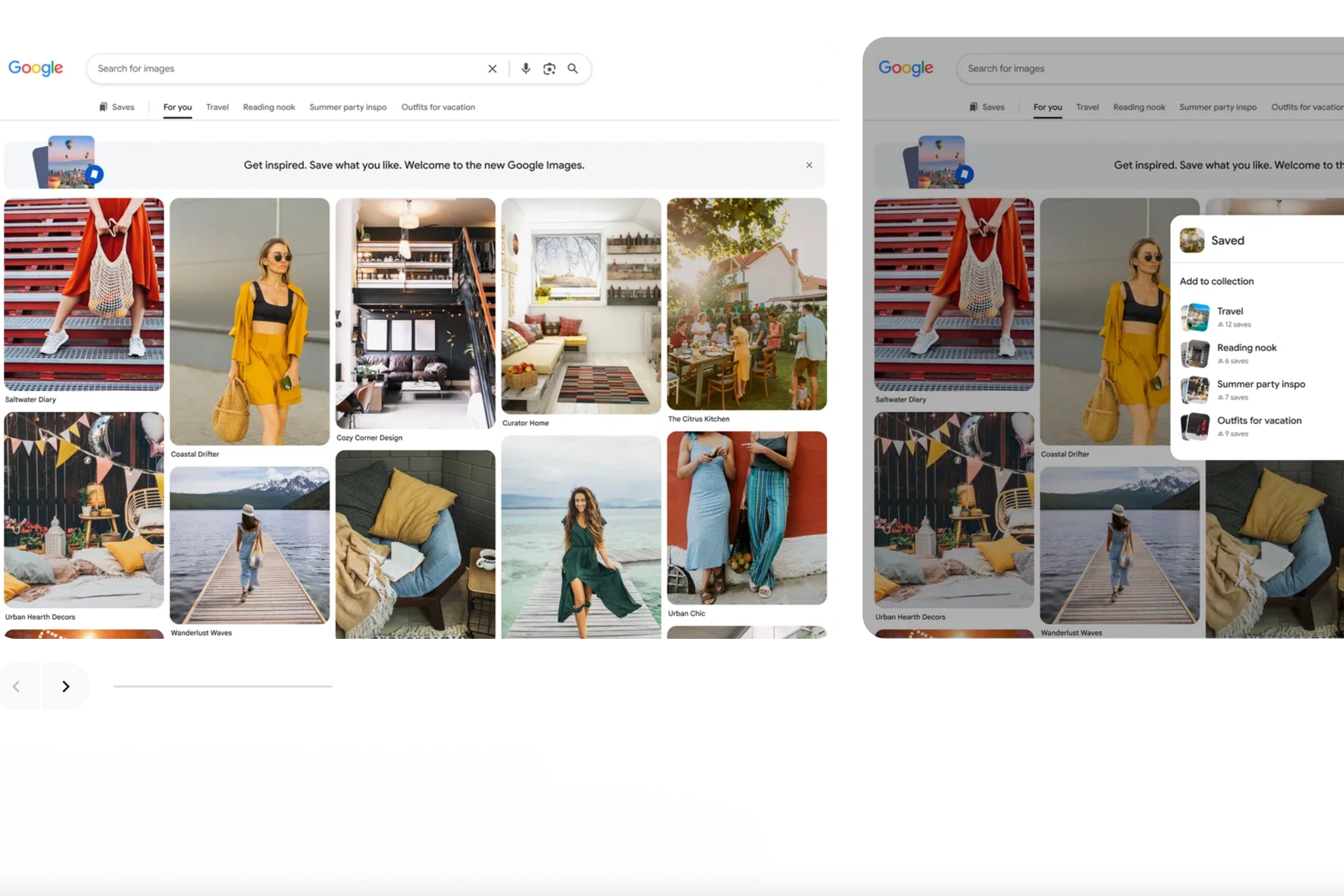
Previously, Google Images was primarily search-driven. Users would enter a search query and received images related to what they were looking for. Google is now rolling out a browsable homepage that introduces visual discovery before a user performs a search. Google says the images are collected from websites across the web, updated in real time, and tailored to the signed-in user’s interests. Users can browse, save images into collections, and return to those interests through dedicated tabs. For photographers, this potentially creates another discovery opportunity.
While Google says standard image SEO practices remain the correct way to optimize for Search results and AI Overviews, it is just as important to understand that this update does not introduce a secret ranking formula that can guarantee visibility.
Do Image Names Affect SEO?
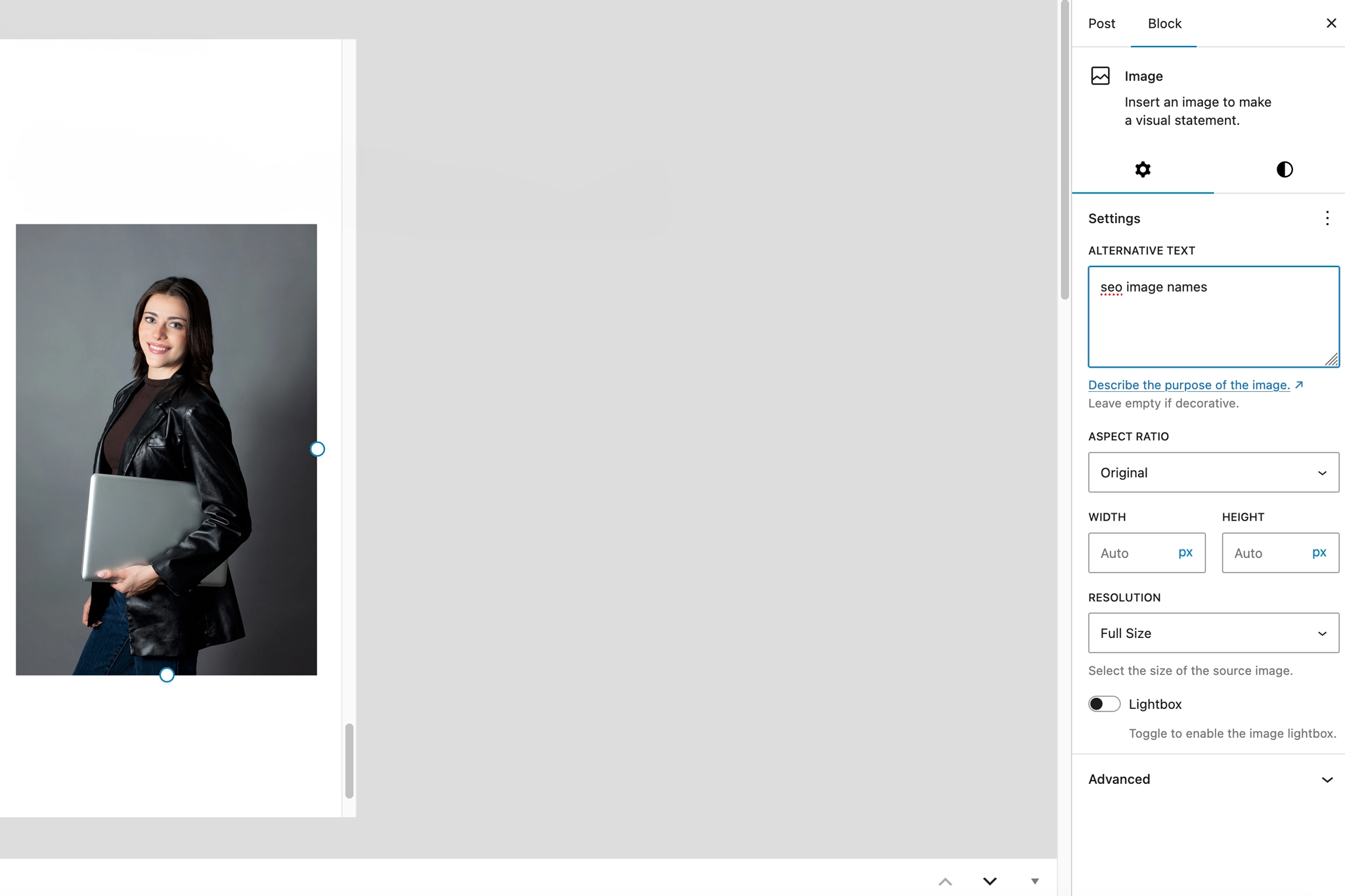
Yes, image names affect SEO by giving Google an additional clue about what an image shows. Alt text adds a clearer description for accessibility and search context.
Weak example: IMG00023.jpg
Strong example: image-naming-seo-guide.jpg
Changing the filename gives the search engine context before it combines that information with other signals from the landing page. The practical value is simple. Renaming a file correctly before upload takes seconds. Leaving thousands of photographs with camera-generated names gives Google one less useful piece of information.
Make image naming a habit. Use a clean filename and accurate alt text. Keep the page fast enough to load smoothly. Remember that the image name starts the conversation, but it does not carry the entire page.
How to Name Images for SEO
An SEO-friendly image name should describe the actual photograph in a few useful words. Use this formula:
subject-location-important-detail.file-type
The goal is clarity, not length. Include only information that is accurate and useful.
Example:

If several images come from the same scene, do not give every photograph a nearly identical filename distinguished only by a number.
Weak example: panama-city-beach-1.jpg
Strong example: panama-city-crowded-summer-beach.jpg
Use lowercase words separated by hyphens, following the formula above, and keep the filename brief but descriptive. The filename and alt text should support each other, but they should not be copied word for word. Add a caption when it provides useful context, strengthens the story, or helps the viewer understand why the image contributes to the page.
How to Track Google Images Traffic in Search Console
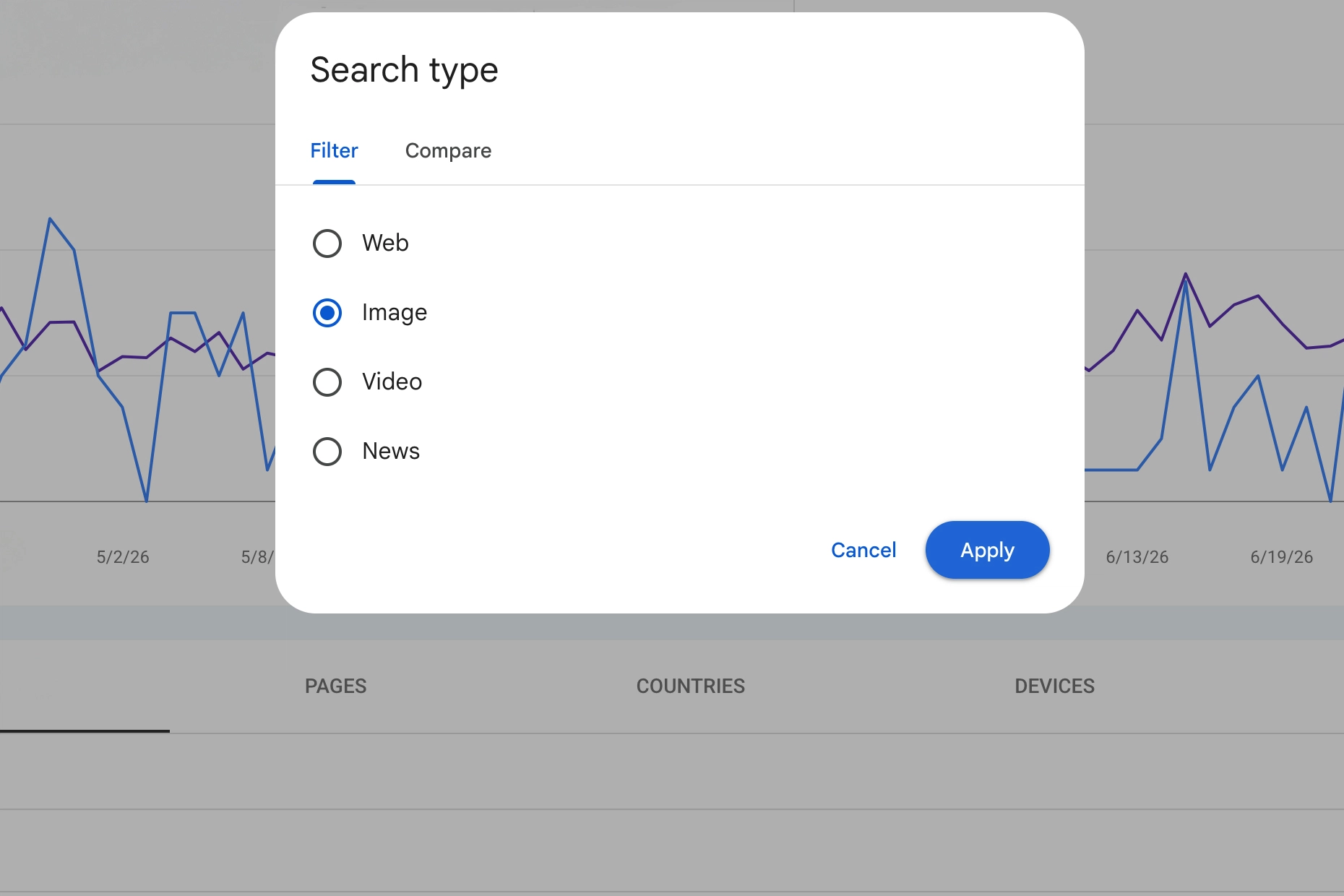
Google Search Console lets you isolate image-search performance from normal web-search performance. Here is how to track image traffic:
- Open Search Console
- Select the correct website
- Open Performance and then Search Result
- Open the Search type filter and select Image
- Set a date range and compare it with the previous period
- Review Queries to see what people searched
- Review Pages to identify which landing pages receive image visibility
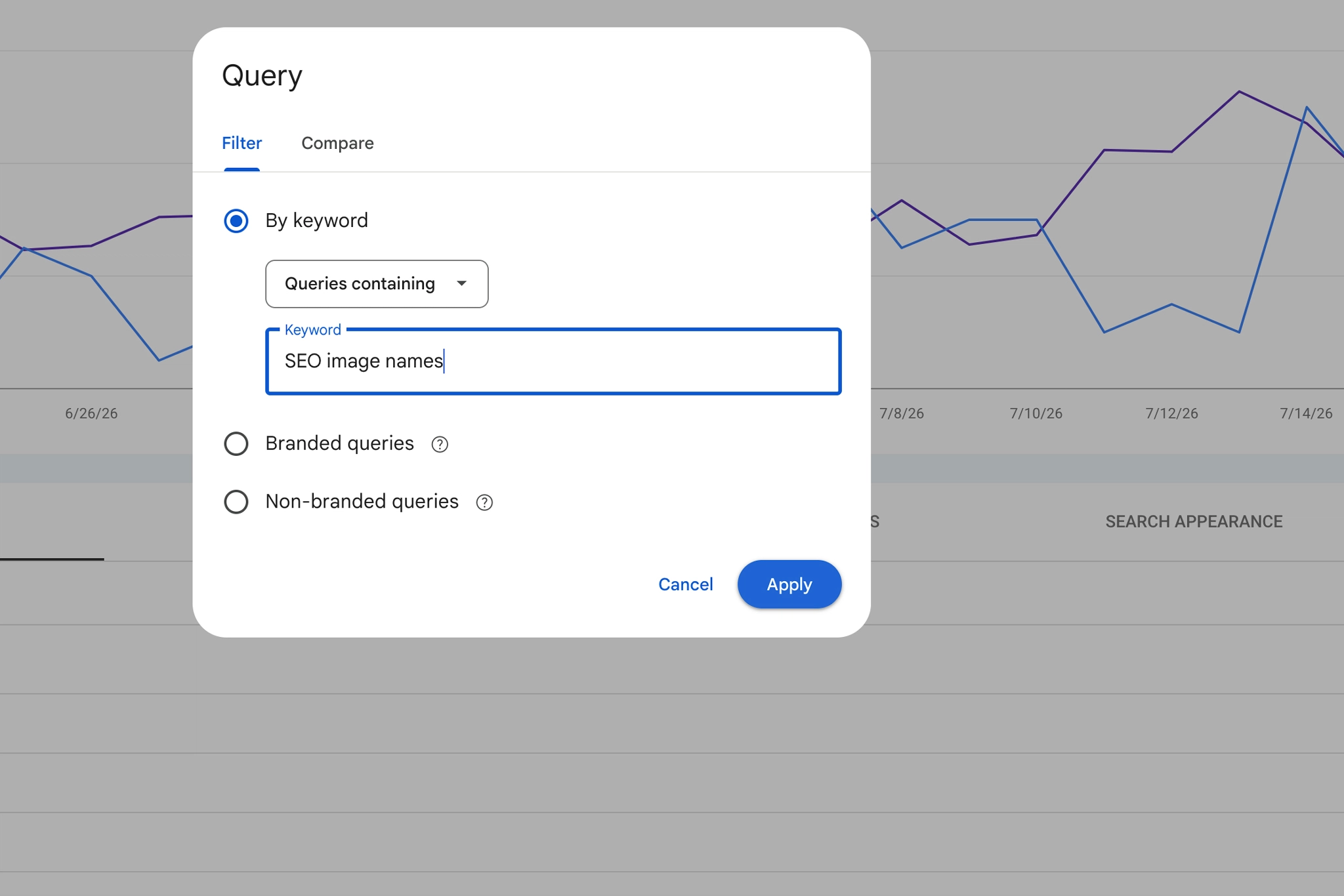
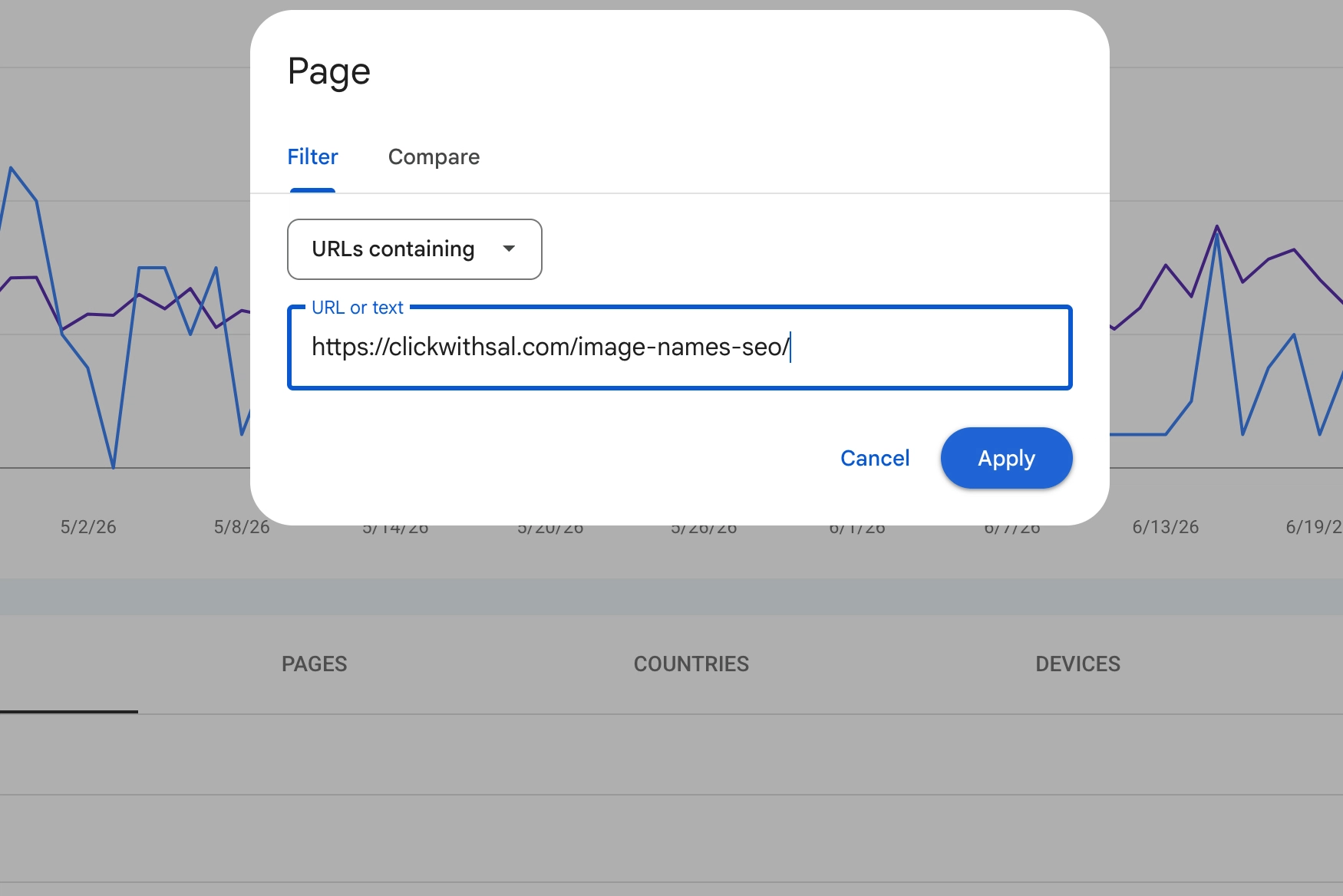
In Google Search Console, the Performance report can be filtered by web, image, video, or news results and grouped by queries, pages, countries, devices, search appearance, and dates. Here is what to look for:
- Image impressions: Impressions show that Google is surfacing your pages or images for relevant searches, even when no click occurs. A rise in impressions can be the first sign that Google is understanding your content.
- Image clicks: Clicks represent people leaving the image result and visiting the website. For photographers, the click matters more than merely appearing in a thumbnail grid.
- Queries: Queries reveal how Google and users interpret the work. A photograph may receive visibility for searches you did not initially target.
- Pages: The Pages tab reveals which landing pages are earning image visibility.
The real potential of image SEO is that you do not have to keep posting and hoping for the best, as is often the case on social media. Search gives your photography a chance to remain discoverable long after the original post goes live. That does not make Google Images a passive traffic source or guarantee results. Your pages still need to be useful, relevant, crawlable, and competitive. But that strategic difference matters. Lasting visibility is part of building a stronger photography business.
SEO Image Names FAQs
Image filenames can include a relevant keyword when it accurately describes what the image shows or how it is used. Do not add unrelated search terms or repeat several keyword variations in one filename.
Use hyphens to separate words in image filenames.
There is no official ideal length. Use enough words to identify the subject and its most important detail, then remove anything repetitive or irrelevant.
No. Filenames provide Google with a light clue, while alt text provides stronger descriptive and accessibility context. Both work alongside the page topic, captions, image quality, crawlability, and performance.
Key Takeaways
- Descriptive image filenames help Google understand photographs, but Google calls them only a very light clue
- Separate lowercase words with hyphens and place the file extension at the end
- Write alt text as a natural description rather than copying the filename
- Track image impressions, clicks, queries, and landing pages through Google Search Console
- Google’s new Images homepage creates another potential discovery surface, not a new optimization formula












Leave a Reply